
Zoning Review First: Save Time and Money on Your Home Renovation
Why checking zoning requirements first is critical for your home project
Blog Highlights
- Zoning regulations control what you can build and where. Ignoring them can derail your renovation before it starts.
- Key rules to understand upfront: setbacks, height limits, lot coverage (FAR), and non-conforming property status.
- Skipping zoning review risks wasted design fees, emotional disappointment, and costly project delays.
- Variances are harder to get than most homeowners expect. They require proof of genuine hardship, not personal preference.
- Studio Z always reviews zoning before design begins, so every option we present is actually buildable.
- Each municipality in southeast Michigan has its own rules. What’s allowed in Ann Arbor may not be permitted in Plymouth, Northville, or your community.
Changing your mind during a remodel is completely normal. Living through the design process helps homeowners understand their space in new ways, clarify priorities, and see possibilities they hadn't considered before.
The costly mistake isn't changing your mind. It's changing it after construction has already begun.
Once work is underway, materials are ordered, trades are scheduled, and everything is moving in sequence. What feels like a small adjustment on paper can quickly become a domino effect in the field — impacting your budget, extending your timeline, and disrupting the flow of the entire project.
What are zoning requirements?
Zoning ordinances exist to protect everyone in a neighborhood, maintaining a sense of continuity while safeguarding life and safety. These regulations control what you can build on your property and where you can build it. Here are the key concepts to understand before your project begins.
Setbacks: your property’s invisible boundaries
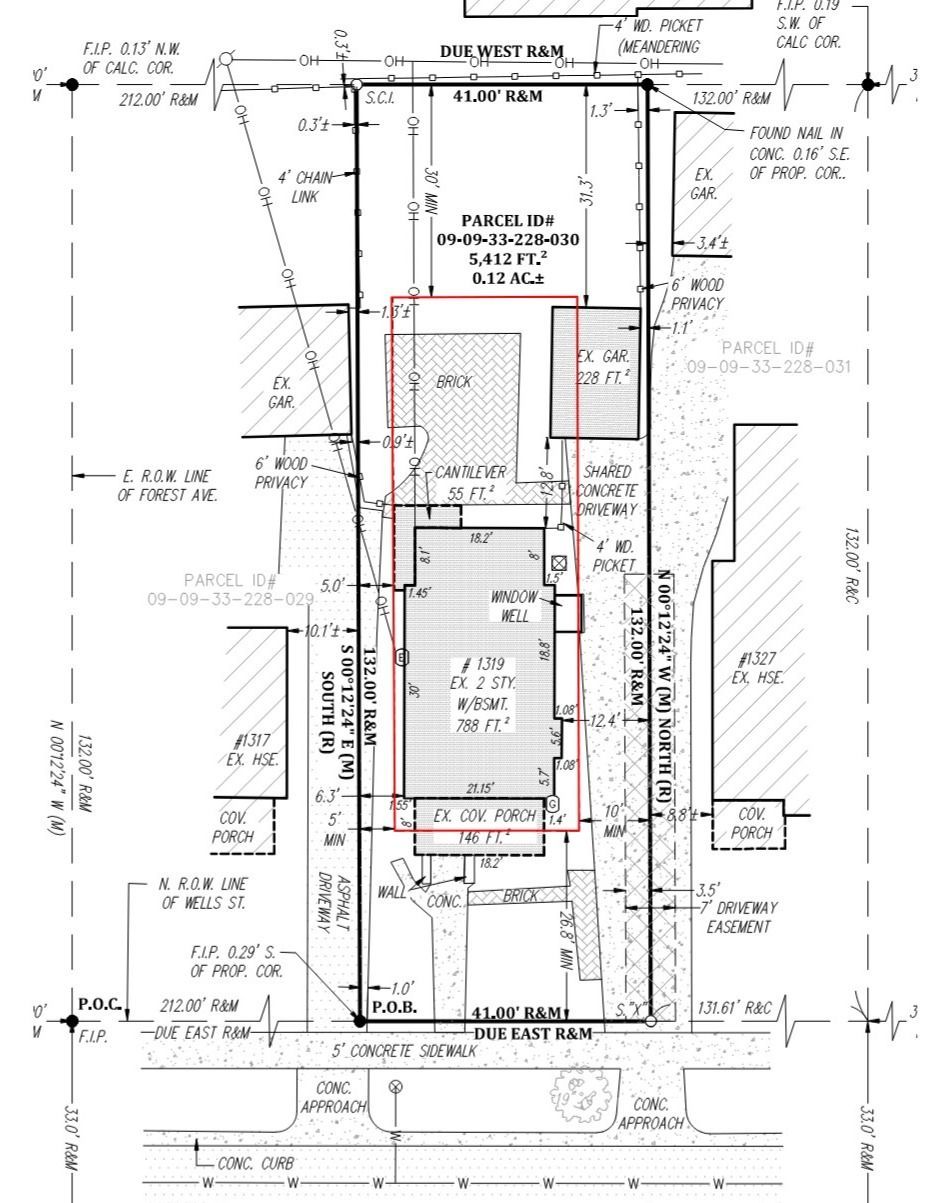
Setbacks define the distance your building must maintain from property lines: front yard, rear yard, and side yard. These aren’t arbitrary rules; they serve real purposes like preventing fire from spreading between homes, protecting privacy, and maintaining the character of your neighborhood.
“There are specific distances that you can build from the property line, and that is literally so that fire doesn’t just spread right down the street. It’s there to protect you from your neighbors and vice versa.”
– Dawn Zuber, architect and founder of Studio Z Architecture
Height limits and lot coverage
Height restrictions can be measured in stories, feet, or both, and how height is calculated often surprises homeowners. Many ordinances measure to the midpoint of your roof, so a flat roof allows more total height than a gabled one. Floor area ratio (FAR) restrictions add another layer, limiting how much total square footage you can build relative to your lot size. For smaller properties, this can significantly impact expansion plans.
Non-conforming properties
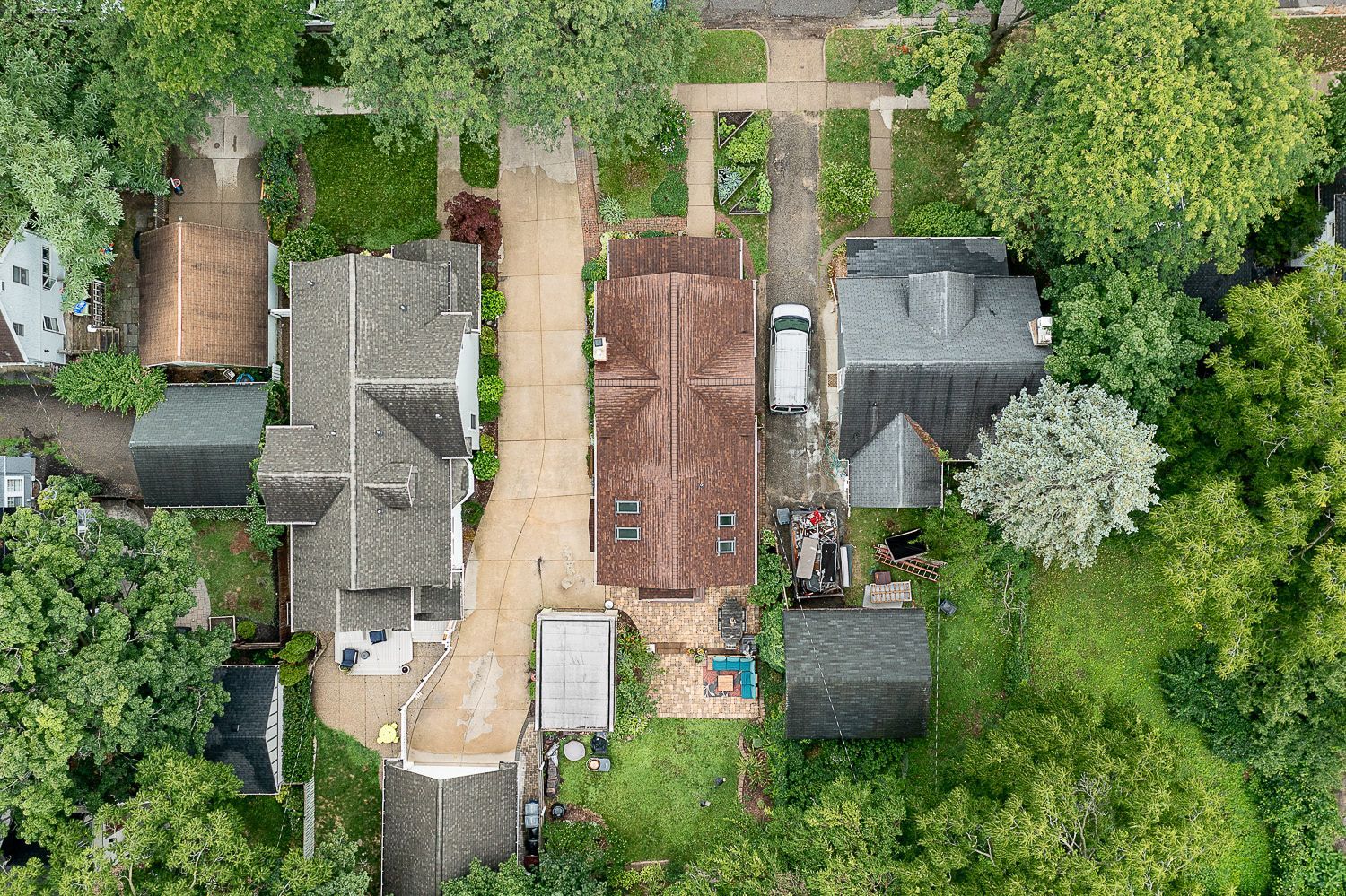
Many homes in older neighborhoods were built before current zoning ordinances took effect. If your house sits too close to a property line by today’s standards, it’s considered non-conforming. This status can complicate renovation plans, especially if you want to extend a wall that’s already within the setback line.
Common zoning surprises homeowners encounter
Even experienced homeowners can be caught off guard. A few real scenarios we’ve encountered:
The skewed house problem:
Your lot boundaries might not align with how your house sits on the property. We worked with a client whose house was angled relative to her lot lines, meaning a corner of her home was non-conforming and built too close to the property line.
ADU restrictions:
Many homeowners dream of building a separate accessory dwelling unit for an aging parent or adult child, only to discover their municipality requires all structures to be connected. Communities across southeast Michigan often have specific rules about accessory structures that can surprise homeowners.
The measurement maze:
Details matter. Something as simple as owning a corner lot can affect your setbacks, and most ordinances consider corner lots to have two front yards, a side yard, and a rear yard, but interpretations vary by municipality.
The three costs of skipping zoning review
1. Emotional investment gone wrong
There’s nothing more frustrating than falling in love with a design only to discover it violates setback requirements or height restrictions. The disappointment of starting over can sour your entire renovation experience.
2. Wasted design fees
If you begin the design process without understanding zoning constraints, you might pay for architectural work that can’t be used. That’s money spent on unusable drawings rather than on building your dream space.
3. Time lost to redesign
Starting over after hitting zoning roadblocks means delays. Your project timeline extends, potentially affecting contractor availability and seasonal construction windows.
The variance myth: “I’ll just get a variance”
One of the biggest misconceptions homeowners have is assuming variances are easy to obtain.
“People think, oh, I could just get a zoning variance. Some municipalities grant them pretty easily, but they really shouldn’t. It is a legal question—you have to show that you have a hardship that is not self-imposed.”
– Dawn Zuber, architect and founder of Studio Z Architecture
Self-imposed hardship won’t qualify. Wanting a bigger garage or preferring a design that doesn’t meet setbacks aren’t valid grounds. Valid hardship looks more like a property-specific easement that limits your buildable area, unique topography that makes compliance impossible, or unusual lot characteristics that create genuine constraints.
When a variance is needed, we do only enough work to illustrate the plan for the variance application, then complete the detailed design once approval is secured. Dawn’s experience serving on the Canton Township Zoning Board of Appeals and Planning Commission for more than 20 years gives her unique insight into what makes a successful application.
“That’s my secret weapon for zoning—I’ve been on the other side. So I help you figure out what will get you a variance and what won’t.”
– Dawn Zuber, architect and founder of Studio Z Architecture
How Studio Z approaches zoning due diligence
At Studio Z, our first step is always zoning due diligence, not design ideas. We make sure we understand exactly what’s possible on your property before we ever start exploring design options.
“We learned a long time ago that we really need to be clear about what you can do on your property before we start showing you pictures of what we think you should do or might do.”
– Dawn Zuber, architect and founder of Studio Z Architecture
Step 1: Measure and document: We measure your house and draw up as-built conditions while simultaneously requesting a professional property survey documenting boundaries, setbacks, and other conditions.
Step 2: Review zoning before design: Before any sketches are created, we review the property survey and relevant zoning ordinance. Is the house non-conforming? What are the setback, height, and coverage limitations? This step even precedes historic district considerations.
Step 3: Communicate with the municipality:
Zoning ordinances often contain gray areas. We proactively contact local planning staff to clarify ambiguous rules for your specific property. Sometimes the question is as fundamental as how to define a front yard for a particular lot.
Step 4: Assess variance feasibility:
If a variance will be necessary, we evaluate approval likelihood before investing in detailed design. We want to do just enough work to get the variance, then complete the full design once it’s secured.
Build with confidence: zoning first, design second
Zoning research isn’t just paperwork. It’s protection. It’s the foundation that ensures your renovation dreams can become reality rather than remaining beautiful but unbuildable sketches. The peace of mind that comes from knowing what’s possible on your property before falling in love with a design is invaluable.
When you
work with an architect who prioritizes zoning due diligence, you’re not just hiring someone to create your design. You’re partnering with an advocate who protects your interests, navigates complex regulations, and makes sure what you approve can actually be built.
Studio Z designs homes across southeast Michigan. Every project, whether in Ann Arbor, Plymouth, Northville, or beyond, starts with a thorough zoning review.
Request a consultation to find out what’s possible on your property before you invest in design work.
“We want to make sure that we understand what you can and can’t do. And if there’s anything we need to address, we find that out before we start putting pencil to paper.”
– Dawn Zuber, architect and founder of Studio Z Architecture
Frequently asked questions about late remodeling changes
What happens if I start designing without checking zoning first?
You risk investing time and money in a design that violates setback requirements, height restrictions, or lot coverage limitations. You’ll pay for architectural work that can’t be used and face delays while you redesign within zoning constraints.
How long does the zoning review process take?
Reviewing zoning requirements before design begins typically adds just a few days to a week to the initial phase. This upfront investment saves weeks or months of delays later. If a variance is needed, the approval process can take several weeks to a few months depending on the municipality’s meeting schedule.
Are zoning requirements the same across southeast Michigan?
No. Each municipality has its own zoning ordinance with different setback requirements, height limitations, and lot coverage restrictions. What’s permitted in Ann Arbor may not be allowed in Plymouth, Canton, or your community. This is why it’s critical to have an architect who understands local regulations review your specific property.
Can my architect help me get a zoning variance?
Yes. An experienced architect can assess whether your situation qualifies and help prepare the application. At Studio Z, Dawn’s experience serving on Canton Township’s Zoning Board of Appeals and Planning Commission for more than 20 years gives her unique insight into what makes a successful variance application, but it’s important to understand that variances require proof of hardship that isn’t self-imposed.
What if my house is already non-conforming?
Being non-conforming doesn’t mean you can’t renovate, but it does add complexity. You typically can’t make a non-conforming condition worse, and extending a wall that’s already within the setback line may require a variance. An early zoning review helps you understand your options before investing in design.
Do I need a survey before starting my project?
Yes. A professional property survey is essential, as it documents your exact property boundaries, existing setbacks, and any easements or unique conditions that affect what you can build. At Studio Z, we request that clients obtain a survey at the same time the existing house is being measured.
Ready to find out what's possible on your property? Request a consultation with Studio Z Architecture before you invest in design.