
Contractor red flags: Five signs you hired a bad contractor
Signs of a bad contractor (and how to avoid one)
Building or improving a home should be exciting. Choosing the wrong contractor can turn it into a headache.
Many homeowners have heard the stories of large deposits with little progress, jobs that drag on, or work that fails inspection. But there is good news: with a clear process and the right team, these pitfalls are avoidable.
At Studio Z Architecture, we help clients evaluate contractors, clarify scope, and keep projects moving. Below are the warning signs we look for, plus practical steps to hire with confidence.
The biggest mistake homeowners make
“The biggest mistake I see is when homeowners don’t do their homework. You really need to ask hard questions, check references, and make sure you understand how a contractor will work with you.”
– Dawn Zuber, architect and founder of Studio Z Architecture
A contractor isn’t a short-term visitor. They’ll be in your home, managing significant funds, and making decisions that affect your daily life.
That level of trust deserves careful vetting, beyond glossy websites or the lowest price.
What to ask a contractor before hiring
Before you start interviewing, you can also download our guide to selecting a contractor.
Use this quick checklist:
- Do you hold the proper licenses for residential work in this state?
- Can you provide proof of liability insurance and workers’ compensation?
- Will you pull the required permits?
- What is the typical timeline for projects like mine?
- How do you structure the payment schedule?
- May I review a sample contract outlining scope, budget, schedule, and change-order process?
- Can you provide a list of references?
Tip: A clear, written scope of work protects both sides. It sets expectations, defines quality, and reduces surprises.
Five red flags of a bad contractor
Not all issues are obvious during the sales pitch. Watch for these warning signs early:
1. Poor communication
Clear communication is the backbone of any successful project. If a contractor dismisses your questions, “mansplains,” or responds slowly, collaboration will be difficult once work begins.
A professional listens first, answers in plain English, and sets a reliable schedule for updates.
“Someone who talks over you, doesn’t listen to you, or tells you how it’s going to be—that’s a red flag.”
– Dawn Zuber, architect and founder of Studio Z Architecture
2. Disrespectful behavior
Professionalism includes how a contractor treats everyone in your household. If they ignore a decision-maker, talk past a woman in the room, or minimize concerns, expect tension later.
Beyond the job of a contractor, you are looking for a partner who is courteous, attentive, and consistent.
3. Badmouthing architects or other pros
Renovations require teamwork among architects, contractors, engineers, and inspectors.
If a contractor says you “don’t need an architect” or disparages other professionals, they may be trying to avoid oversight. Reputable contractors value collaboration because it leads to smoother projects and better outcomes.
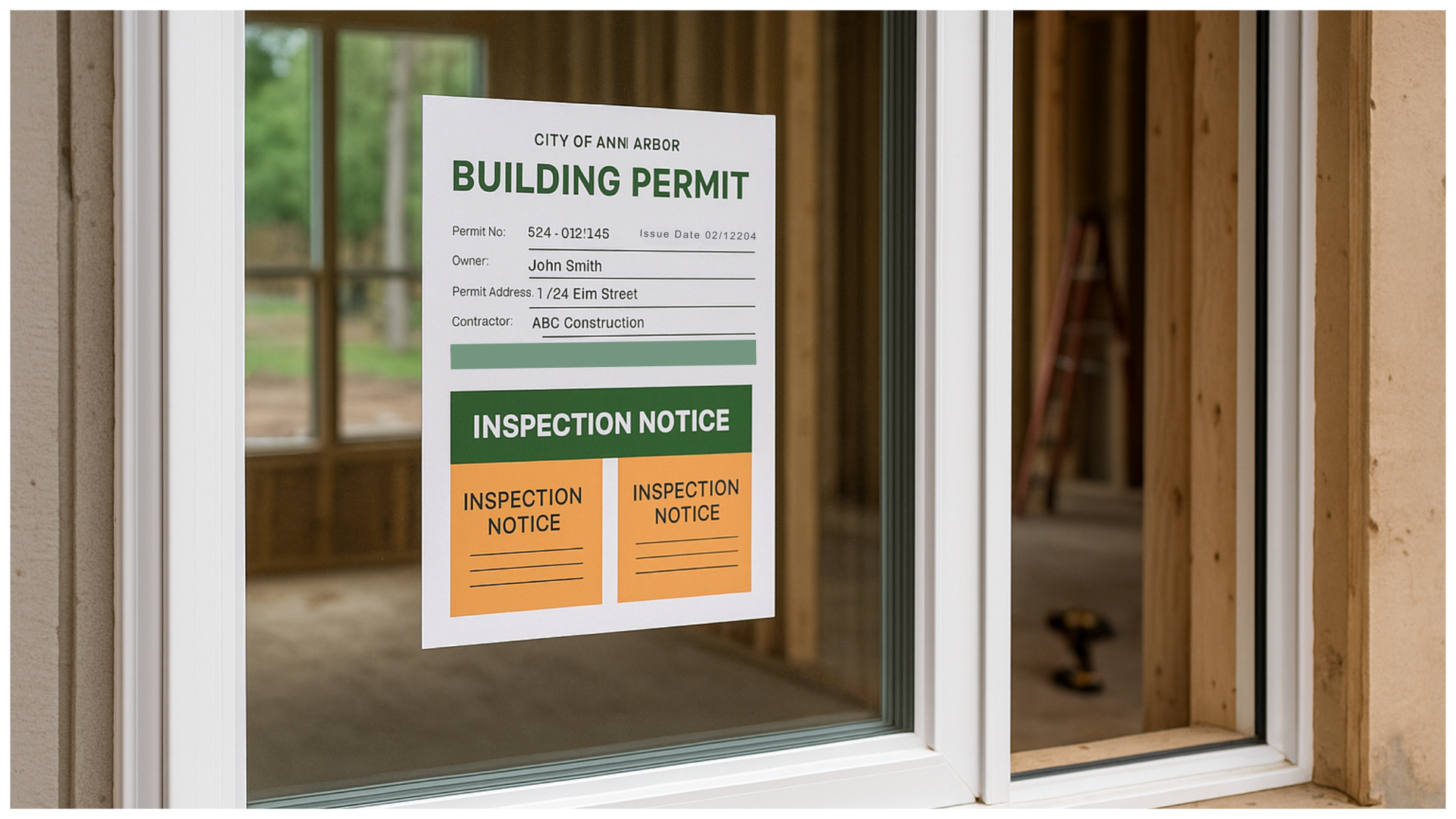
4. Evasive about permits
Permits protect you and help ensure code compliance. Downplaying or skipping permits to “save time” or money creates real risk:
- Fines or stop-work orders
- Failed inspections and costly rework
- Problems at resale
- Limited legal recourse if issues arise
We recently helped a client who had a basement remodeled without permits before they came to us. When they tried to sell the home, the unpermitted work stopped the sale entirely.
Among other issues, they had to make significant structural changes and have an electrician verify that every fixture was properly wired. The process was expensive, stressful, and avoidable.
Bottom line: no permit, no project. A trustworthy contractor handles this without hesitation.
5. Shady payment practices
Be wary of large, upfront payments or requests for cash. A reasonable structure is a modest deposit to book the job, then progress payments tied to milestones (framing, rough-ins, drywall, etc.).
If terms are vague or one-sided, or if full payment is required before work, walk away.
Risky shortcuts and “Chuck in a truck” contractors
Hiring a cousin or a “friend of a friend” can backfire when work fails inspection or ignores code.
On site, shortcuts show up as missing safety measures, rushed installs, and poor finishes. Lower bids can cost more in the long run when you have to fix mistakes.
Are online reviews reliable?
They can reveal patterns, but they don’t replace references from trusted sources. Speaking with past clients and asking your architect for recommendations provides a clearer picture of reliability and professionalism.
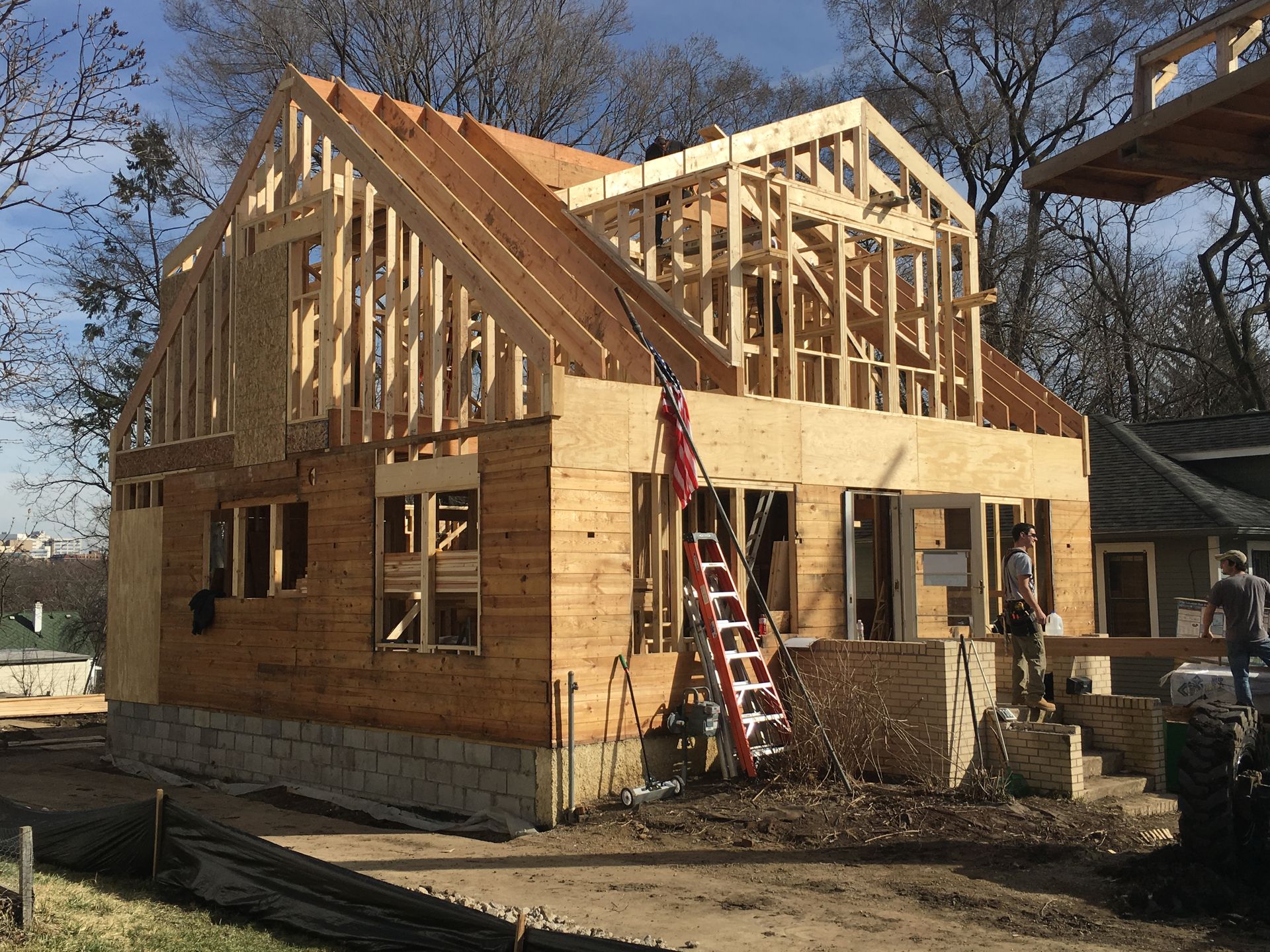
How an architect protects you
Independent architects are client advocates. We:
- Recommend reputable contractors with strong track records.
- Prepare detailed drawings and specifications that reduce ambiguity.
- Help you make decisions before signing a contract, so the contract addresses everything you want and need.
- Help you compare apples-to-apples estimates and bids.
- Review pay applications and change orders for alignment with the scope.
- Act as your advocate during construction.
An architect brings more to the table than drawings. They provide advocacy, and guidance throughout construction. You can read more about the difference between a drafting service and an architect.
Should I hire an architect before a contractor?
In a word, yes. An architect helps you define the scope, set priorities, and avoid costly course corrections before you sign a construction contract.
Green flags: what good contractors do
Look for contractors who:
- Communicate clearly and respectfully.
- Provide a detailed written scope and contract.
- Are transparent about pricing, schedules, and changes.
- Pull permits without delay.
- Maintain memberships with HBA, NARI, or reputable local groups (e.g.,
BRAG in Ann Arbor).
- Keep a clean, safe, and organized job site.
- Use a project management system that fits your preferences—apps or simple calls, as needed.
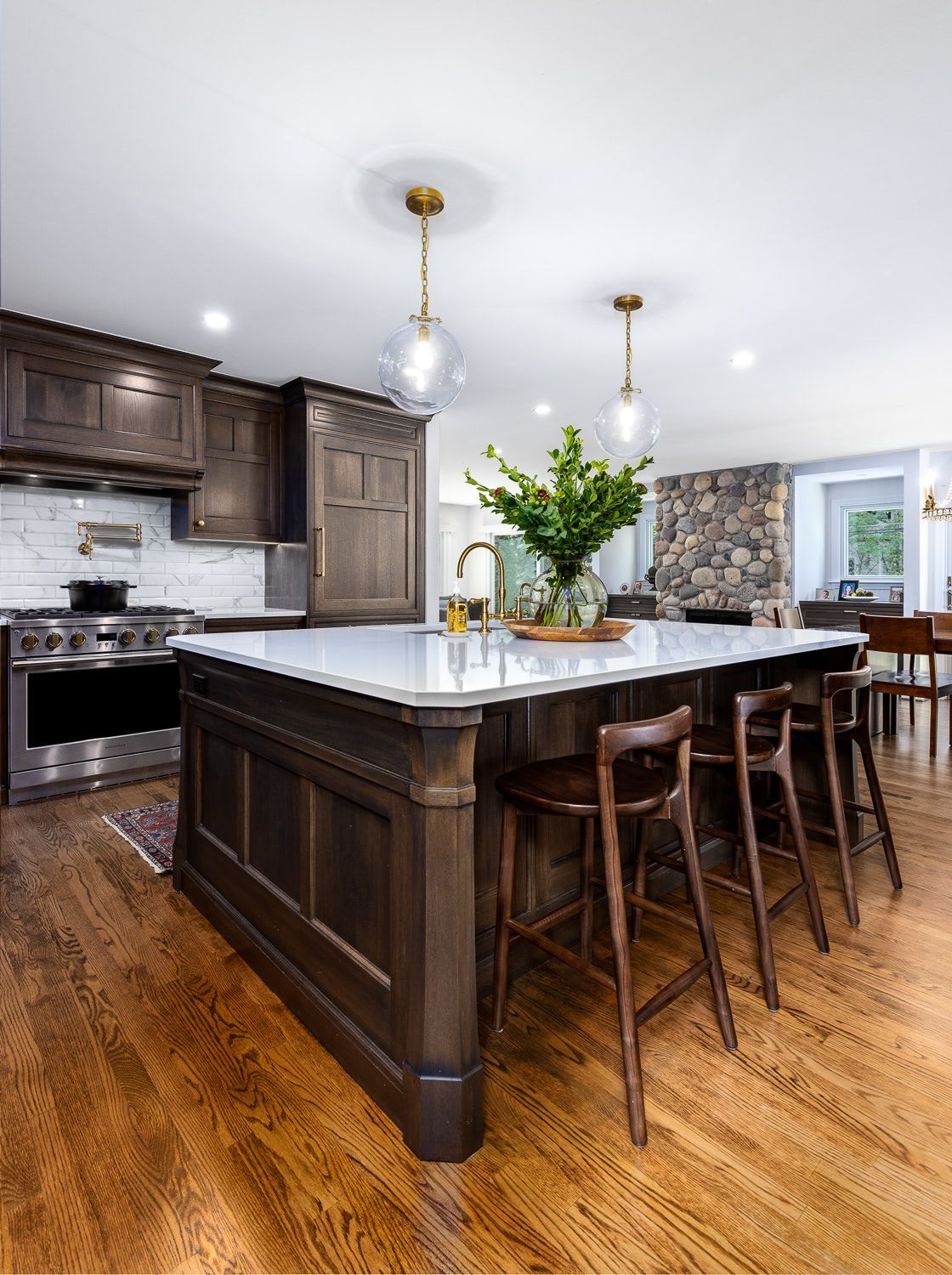
Your blueprint for hiring the right contractor
Spotting red flags is about more than avoiding headaches; doing so protects your home, budget, and peace of mind.
Watch for communication issues, disrespect, permit evasion, and payment pressure. Seek the green flags, clear contracts, transparent pricing, and professional conduct.
You don’t have to navigate this alone. At Studio Z, we guide you through vetting, bid review, and construction so your project stays aligned with your vision.
Ready to build with confidence?
Let’s talk about how Studio Z Architecture
can help you choose the right contractor and deliver a smooth project from start to finish.
FAQ: Contractor red flags
How much should I pay a contractor to get started?
Avoid paying in full before work begins. A small deposit (often 10–20%), followed by milestone payments, ensures you pay for completed work.
Where can I find reputable contractors?
Start with referrals from your architect and word-of-mouth from friends or neighbors. Professional associations such as the Home Builders Association (HBA), the Builders and Remodelers Association of Greater Ann Arbor (BRAG), and the National Association of the Remodeling Industry (NARI) are also reliable resources.
How do I know if a contractor is licensed and insured?
Ask for proof of state licensing, liability insurance, and workers’ compensation. Verify licenses through your state’s board. Skipping this step can leave you liable if something goes wrong on site.
How can I tell if a contractor is overcharging me?
The best way to understand pricing is to start with a well-defined scope and to lean on your architect for guidance. When the scope, drawings, and specifications are clear, you’re far less likely to encounter inflated pricing or hidden costs.
Rather than collecting a stack of unrelated bids, we encourage homeowners to request estimates from a few qualified contractors based on the same detailed scope. That consistency allows you to make fair comparisons, and your architect can help interpret the numbers, spot inconsistencies, and identify where costs may be inflated or incomplete.
What if I already hired a bad contractor?
Act quickly: Stop work, pause payments, and document everything. Review your contract for termination or dispute clauses. Contact your building department if permits are missing, and consult an architect or another qualified professional to assess next steps.
How do architects and contractors work together?
The best results come from mutual respect. The architect protects design intent, building codes, and your goals; the contractor manages labor, materials, and daily execution. Aligned teams deliver fewer delays, clearer communication, and better outcomes.