
Top home remodeling mistake to avoid: late changes that derail your budget
Here's what every homeowner should know before the first wall comes down.
Highlights
- Changing your mind during a remodel is normal, but once construction begins, even small changes can be costly and disruptive
- Late changes often affect multiple trades at once, turning what feels like a simple adjustment into a chain reaction of undone and redone work
- Structural, mechanical, and plumbing changes tend to be the most expensive to make mid-construction, but even finish changes can introduce delays and fees
- The best way to protect your budget is to make key decisions before demolition begins, when changes are still flexible and affordable
- A good architect helps you reach that clarity early—using visual tools, honest trade-off conversations, and real-world walkthroughs before anything is built
Changing your mind during a remodel is completely normal. Living through the design process helps homeowners understand their space in new ways, clarify priorities, and see possibilities they hadn't considered before.
The costly mistake isn't changing your mind. It's changing it after construction has already begun.
Once work is underway, materials are ordered, trades are scheduled, and everything is moving in sequence. What feels like a small adjustment on paper can quickly become a domino effect in the field — impacting your budget, extending your timeline, and disrupting the flow of the entire project.
When
you change your mind matters more than what you change
Before construction starts, changes live on paper. After construction begins, changes live in the real world. That distinction is everything.
Early in the design process, adjusting a layout or rethinking a feature means revising drawings and updating the plan before anything is built. Those changes take time and thought, but they're manageable.
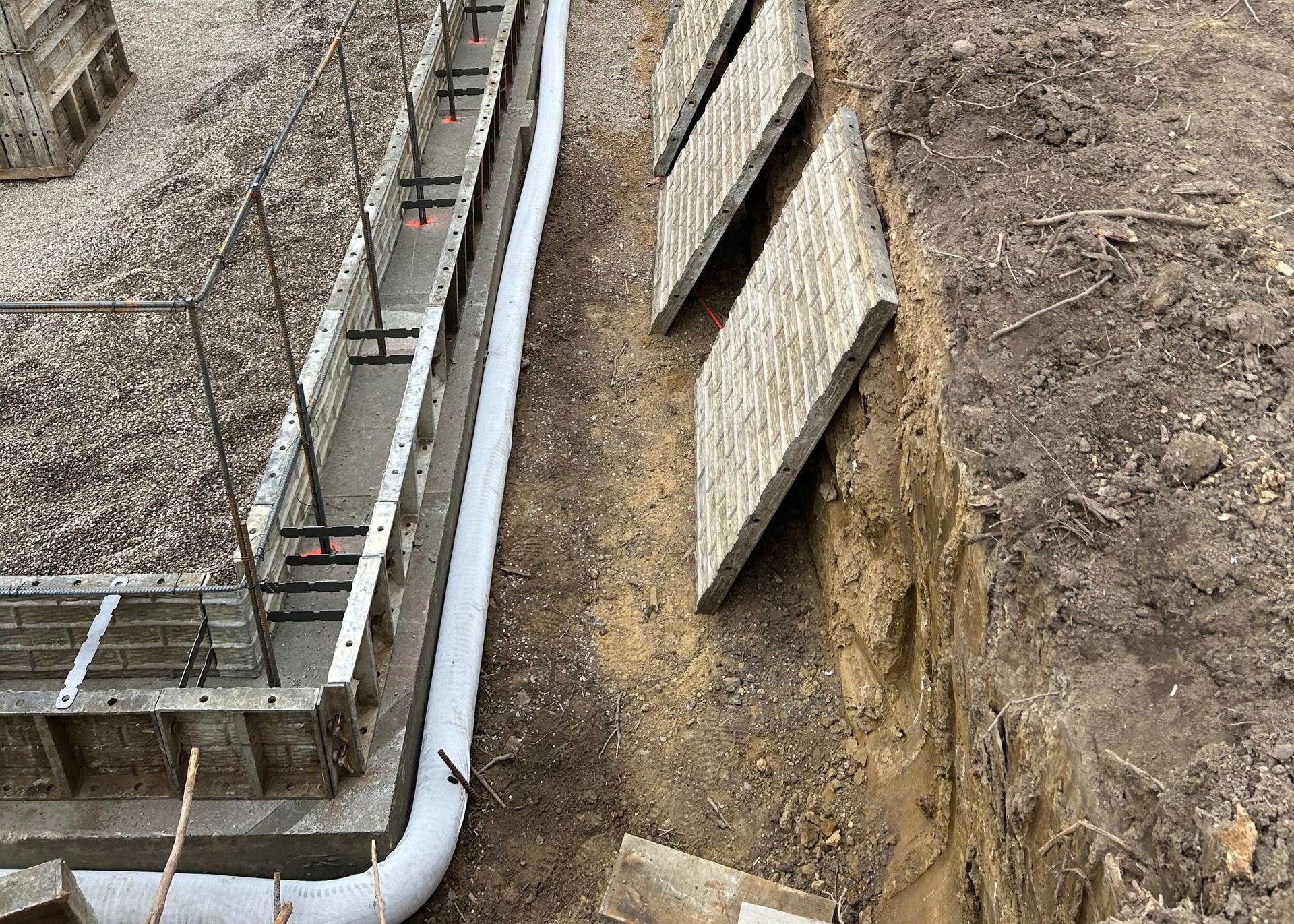
Once demolition and framing begin, the same change carries very different consequences. Altering a decision at that stage often means tearing out completed work, rescheduling subcontractors, reordering materials, and sometimes repeating inspections that were already signed off.
“As soon as something is built, changing it becomes much more complicated. Our role is to help our clients understand which decisions really need to be made early, so changes stay manageable and don't snowball once construction starts.”
– Dawn Zuber, architect and founder of Studio Z Architecture
How one late decision can ripple through a project
A single late change rarely stays contained. In a remodel, decisions are tightly connected, even when they don't seem that way at first.
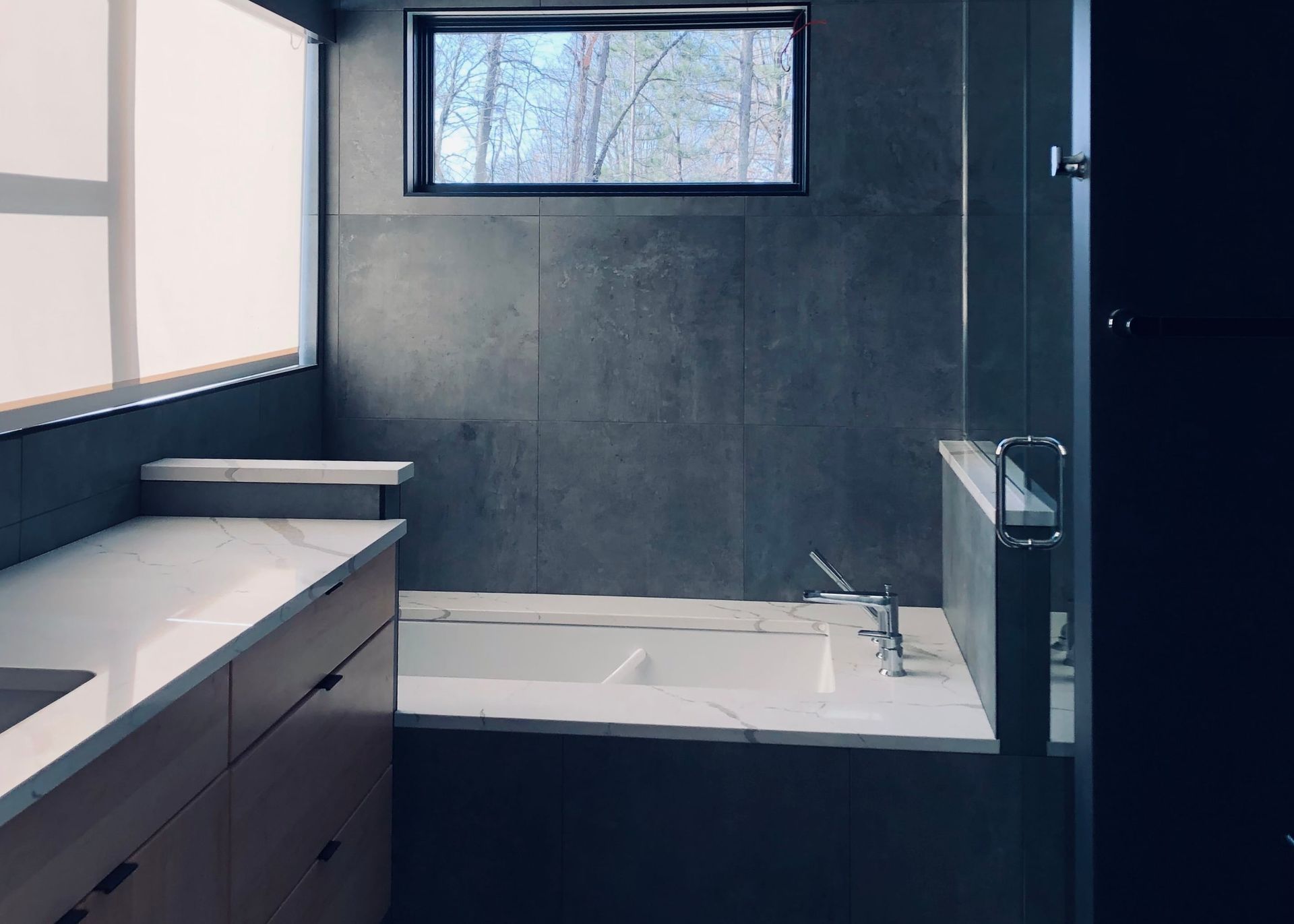
On one project, interior elevations–straight-on drawings of each wall in a room that show details like cabinets, tile, and trim– weren't completed because the client felt they weren’t necessary. The contractor and subcontractors proceeded based on standard assumptions. Later, when the client decided on a floating vanity instead of a standard one, several issues surfaced at once:
- Tile had already been installed but didn't extend down the wall where the floating vanity would expose it
- A floor vent had been placed where a toe-kick would normally go — but a floating vanity has no toe-kick
- Light fixtures were positioned based on the original vanity and mirror location
No one had done anything wrong. The contractor’s team built exactly what the documents directed. But once the decision changed, the project had to stop, undo completed work, and rebuild correctly. This project is the reason why we now require interior elevations on every project.
That's the real cost of late changes. They force a project to move backward before it can move forward.
The types of changes that cost the most
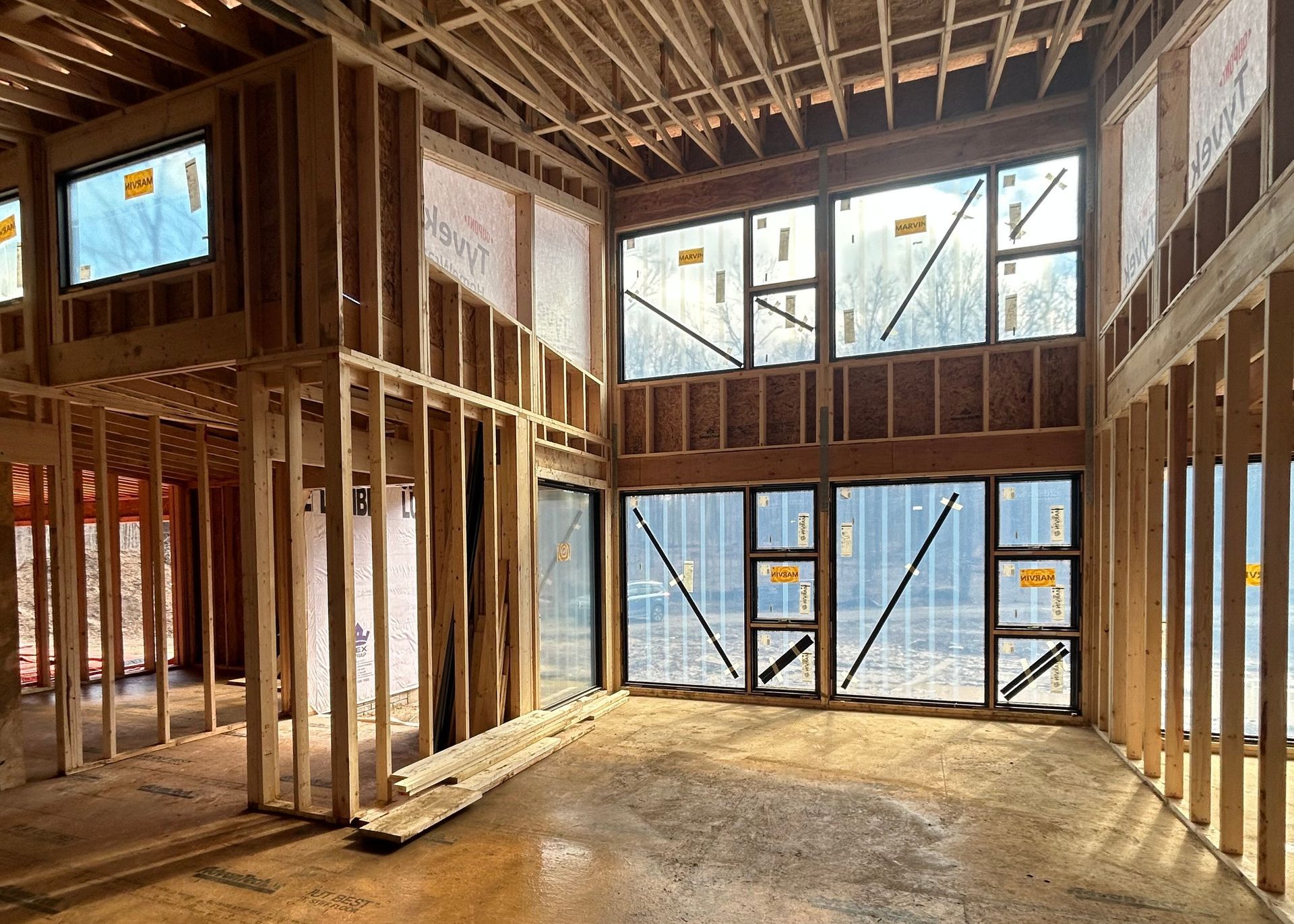
Some revisions carry bigger consequences than others once construction is underway. Structural changes tend to have the greatest impact. Moving or altering framing often brings an engineer back into the conversation and touches several parts of the project at once.
Mechanical, electrical, and plumbing changes are close behind. Shifting any of these after rough-ins can require multiple trades to return and redo coordinated work—even for what feels like a minor location adjustment.
Finish and fixture changes can be more complicated than they appear. If materials are already ordered or installed, switching direction may introduce delays, restocking fees, and reinstallation costs that aren't obvious upfront.
Why people change their minds (and why that's normal)
Most homeowners aren't being careless or impulsive. Clarity takes time. A layout might look fine on paper until you stand in the space with a tape measure and understand how it will actually feel. A design element you loved at first might shift once real pricing enters the conversation. Sometimes priorities evolve as you understand what will make the biggest difference in everyday life.
“All of this is normal. Our role is to help clients think through decisions early, understand the trade-offs, and make
informed choices before construction begins — when changes are still relatively inexpensive.”
– Dawn Zuber, architect and founder of Studio Z Architecture
The goal isn't to eliminate change altogether. It's to reach enough clarity early that decisions don't need to be revisited once construction is in motion.
How we help clients make confident decisions earlier
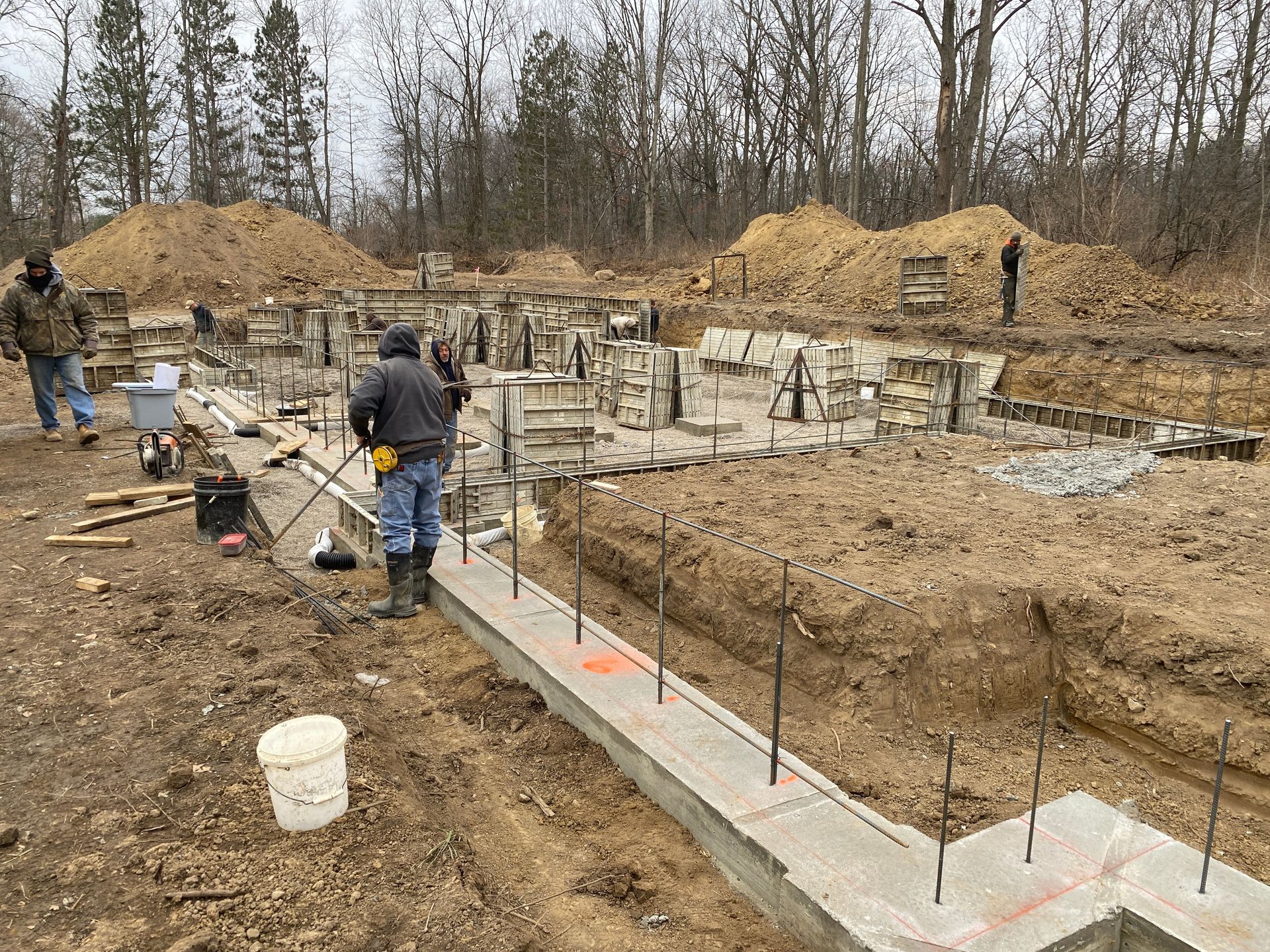
Good design is really about building the project on paper first. Here's how we help that happen. We start with thorough documentation. Accurate measurements and a clear picture of existing conditions prevent surprises and set realistic boundaries from day one.
We present options, and talk honestly about trade-offs. There's rarely one perfect solution. Choosing one priority sometimes means letting go of another. Walking through those realities together ensures decisions are informed, not accidental.
We use multiple ways to help you see the plan. Not everyone reads
floor plans easily, and that's okay. We sketch, build models, and mark things out in real space.
“I always tell people I'm going to walk around their house waving my arms—not randomly, but to show them exactly where something will land. We made a lot of decisions standing in a client's bathroom yesterday with a tape measure.”
– Dawn Zuber, architect and founder of Studio Z Architecture
We talk budget before the design goes too far. Before a design is finalized, we want to know whether it aligns with your investment. That helps avoid falling in love with something that has to change later.
Why detailed planning protects your budget
The more decisions that are made before construction, the less guesswork happens in the field. When the tile installer knows you're using a floating vanity, they extend the tile down the wall. When the electrician sees the interior elevations, fixtures go in the right place. When the mechanical contractor understands the cabinetry, vents don't end up where they'll be exposed.
This isn't about over-documenting. It's about removing ambiguity — and it is far easier to adjust lines on paper than finished work.
When changes still happen
Even with careful planning, adjustments sometimes become necessary. When they do, our job is to help you evaluate them clearly: What are you gaining? What are you giving up? What will it cost in time and money?
We're not here to block desired change. We're here to help you choose it wisely.
Ready to start your remodel with confidence?
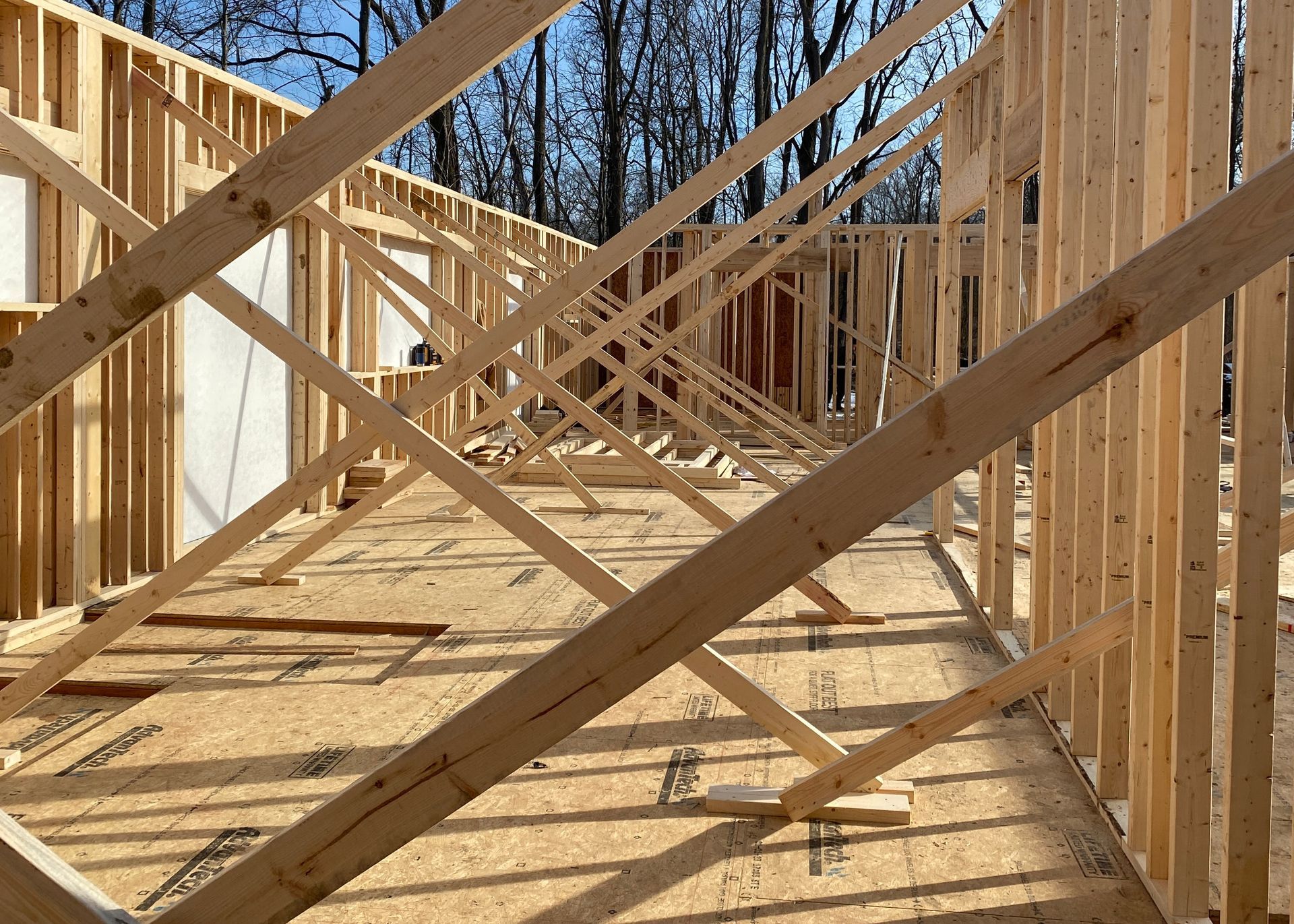
A smooth, predictable project usually begins long before demolition. When decisions are explored thoroughly, visualized carefully, and aligned with budget expectations, construction becomes the execution of a well-understood plan — not a series of surprises.
If you're thinking about renovating, we'd love to help you work through those choices early, when they're still flexible and affordable.
Schedule a consultation to get started.
Frequently asked questions about late remodeling changes
Is it normal to change your mind during a remodel?
Completely. As you work through the design process, your priorities sharpen and your understanding of the space deepens. The issue isn't the change itself — it's when it happens. Changes made before construction are manageable. Changes made after construction begins are expensive.
Why do late changes during a remodel cost so much more?
Once construction is underway, everything is coordinated and sequenced. A change at that stage may mean tearing out completed work, bringing multiple trades back to the site, reordering materials, and sometimes repeating inspections. What felt like a simple decision on paper becomes a chain reaction in the field.
What types of changes are most expensive to make late?
Structural changes tend to carry the highest cost, followed closely by plumbing, electrical, and HVAC. Even finish changes—like switching tile or fixtures—can introduce delays and restocking fees if materials are already ordered or installed. The common thread is that late changes almost always affect more than one trade.
How early do I really need to make decisions?
Major layout, structural, and systems decisions should be resolved some time before construction begins. Finish selections need to account for lead times and installation requirements. A good architect will guide you through which decisions need to happen when, so you're not overwhelmed all at once.
What if a change becomes necessary during construction?
Sometimes it's unavoidable, and that's okay. When it happens, your architect should help you understand the full picture—what you're gaining, what you're giving up, and what it will cost in both time and money—before anything moves forward. The goal is to make the change intentionally, not reactively.