
Craftsman-style home renovation tips: restore charm, add function
Craftsman-style homes: restoring character, enhancing function
Craftsman-style homes are beloved for their timeless charm, rich woodwork, and handcrafted details. Whether it’s the warm glow of quarter-sawn oak or the thoughtful integration of built-ins, these homes have a soul that still resonates today.
But living in a home with history often means navigating outdated layouts or features that no longer fit modern life. At Studio Z Architecture, we help homeowners honor their home’s original character while updating it to support the way they live now. In this post, we’ll explore what defines the Craftsman style, how we approach restoration and remodeling, and what to consider when bringing a century-old home into the present.
Defining the Craftsman style
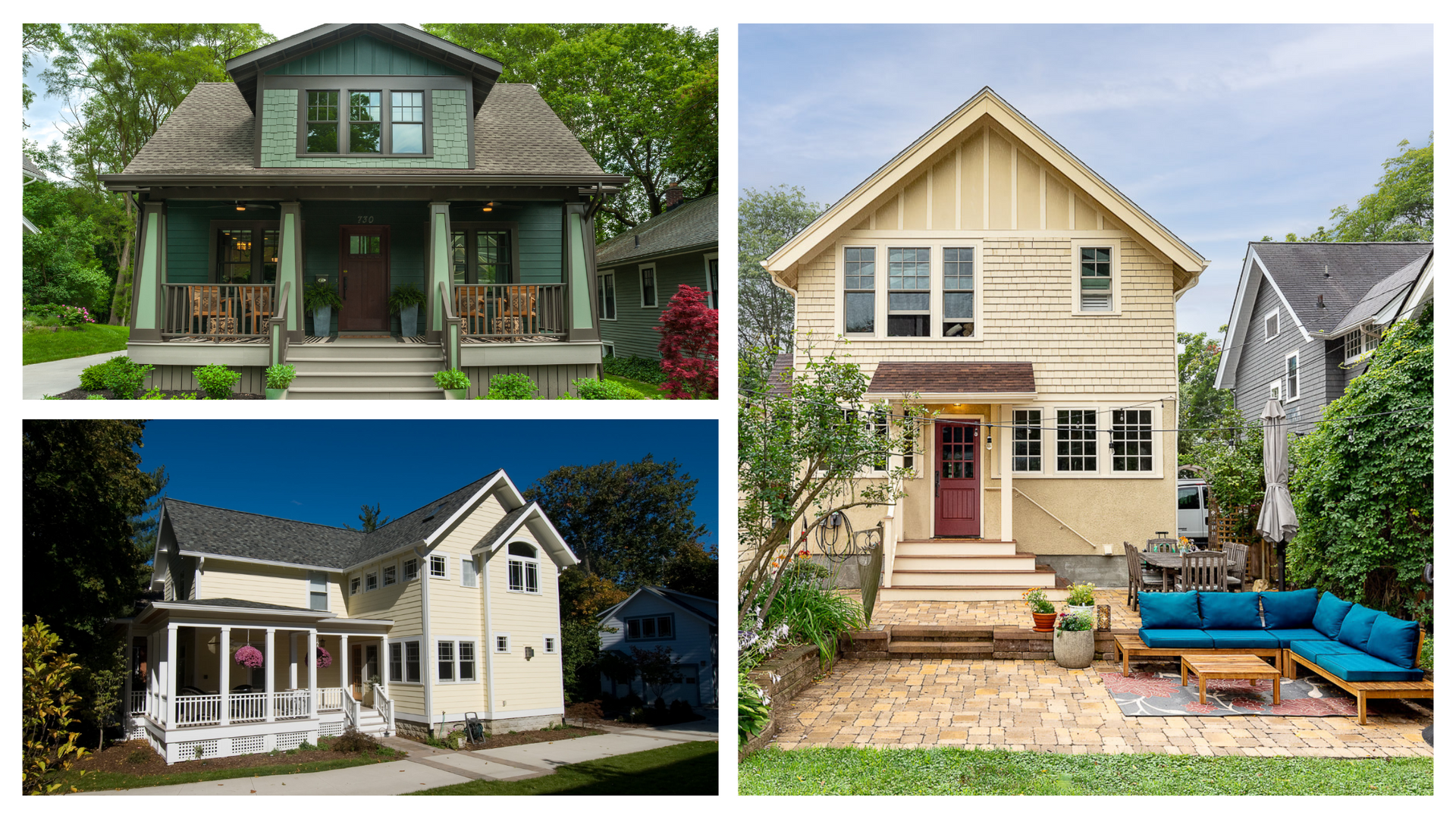
Part of the English Arts & Crafts movement, the Craftsman architectural style emerged in USA in the early 20th century. A reaction to the Industrial Revolution, the movement emphasized quality materials, fine craftsmanship, and simplicity over Victorian ornamentation.
It quickly became a cornerstone of American residential design, especially in neighborhoods filled with bungalows and modest single-family homes throughout southeast Michigan, including Ann Arbor and Plymouth. Common features of a Craftsman-style home include:
- Materials like quarter-sawn oak, Douglas fir, maple, and cherry add richness and natural warmth to the home.
- Built-in elements like bookcases, benches, and cabinetry that blend charm and function.
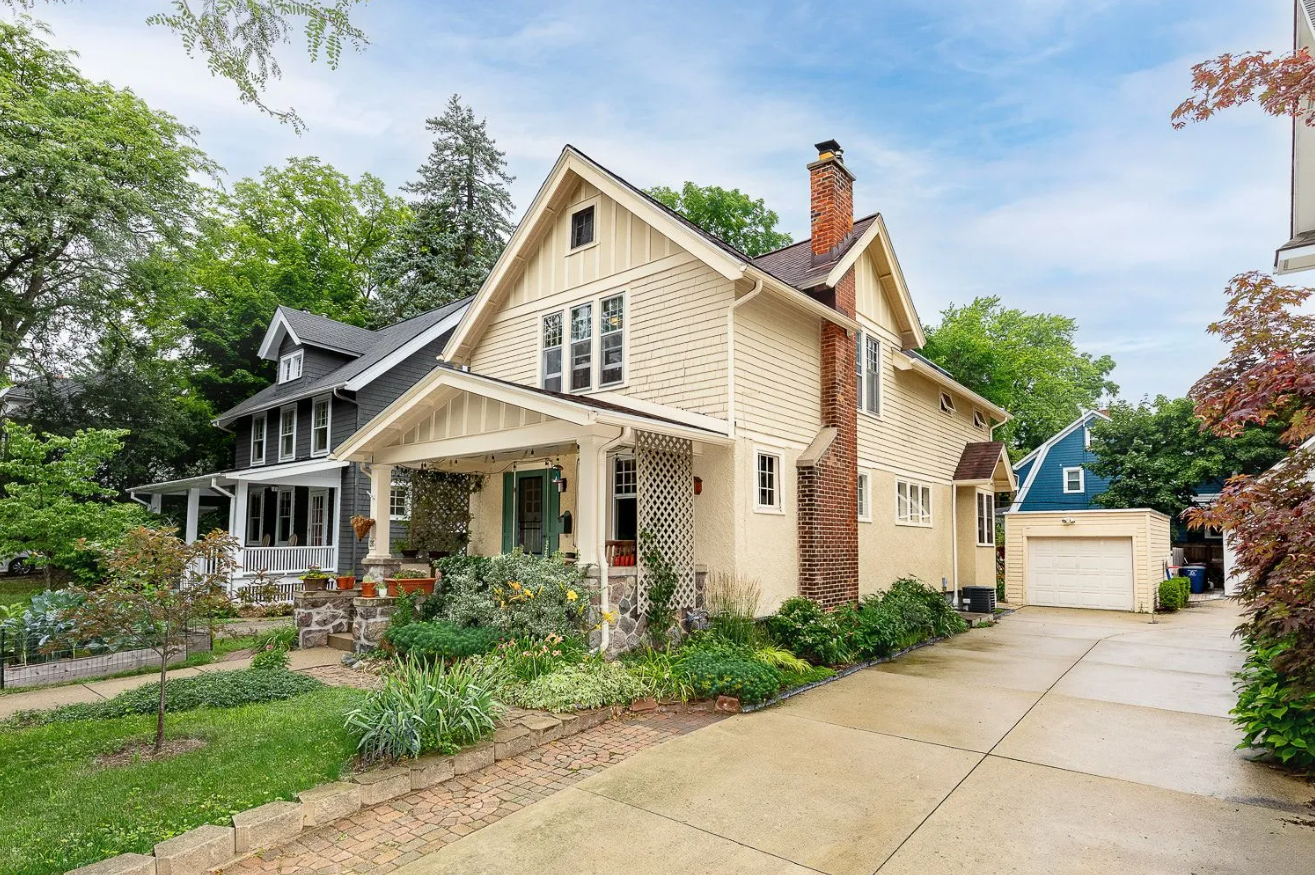
- Tapered columns on masonry piers framing a welcoming front porch.
- Wide trim around windows and doors with decorative detailing.
- Low-pitched roofs with overhanging eaves, exposed rafters, and deep brackets.
- Simple exterior finishes like stucco, clapboard siding, or wood shingles.
Craftsman design values comfort, authenticity, and connection to nature–qualities that remain timeless today.
Balancing modern needs with historic integrity
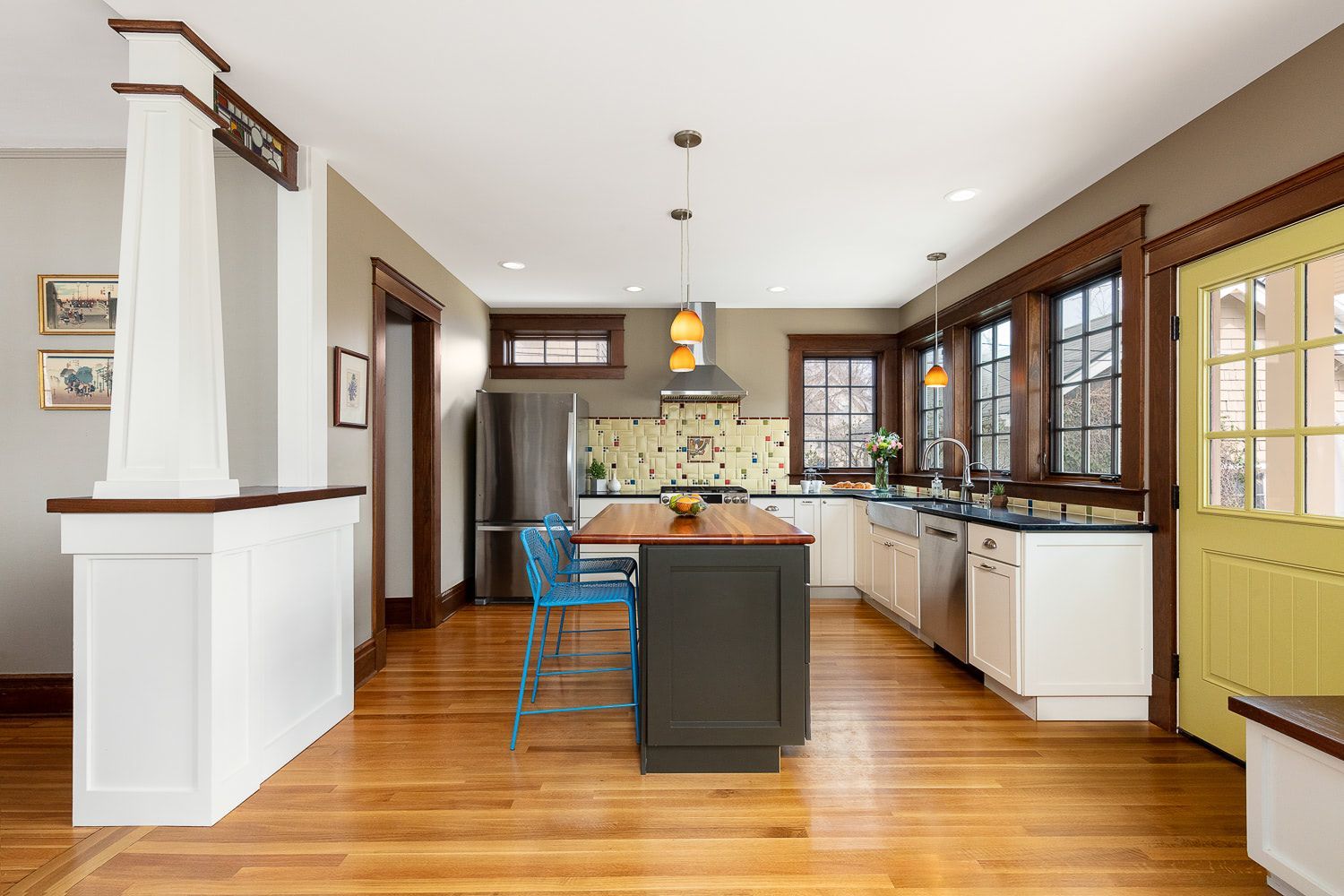
Homeowners often ask whether to remodel an aging Craftsman bungalow or move to a newer home. At Studio Z, we believe these homes are worth saving. We don’t replicate history for the sake of nostalgia. Instead, we modernize in ways that honor the home’s original spirit.
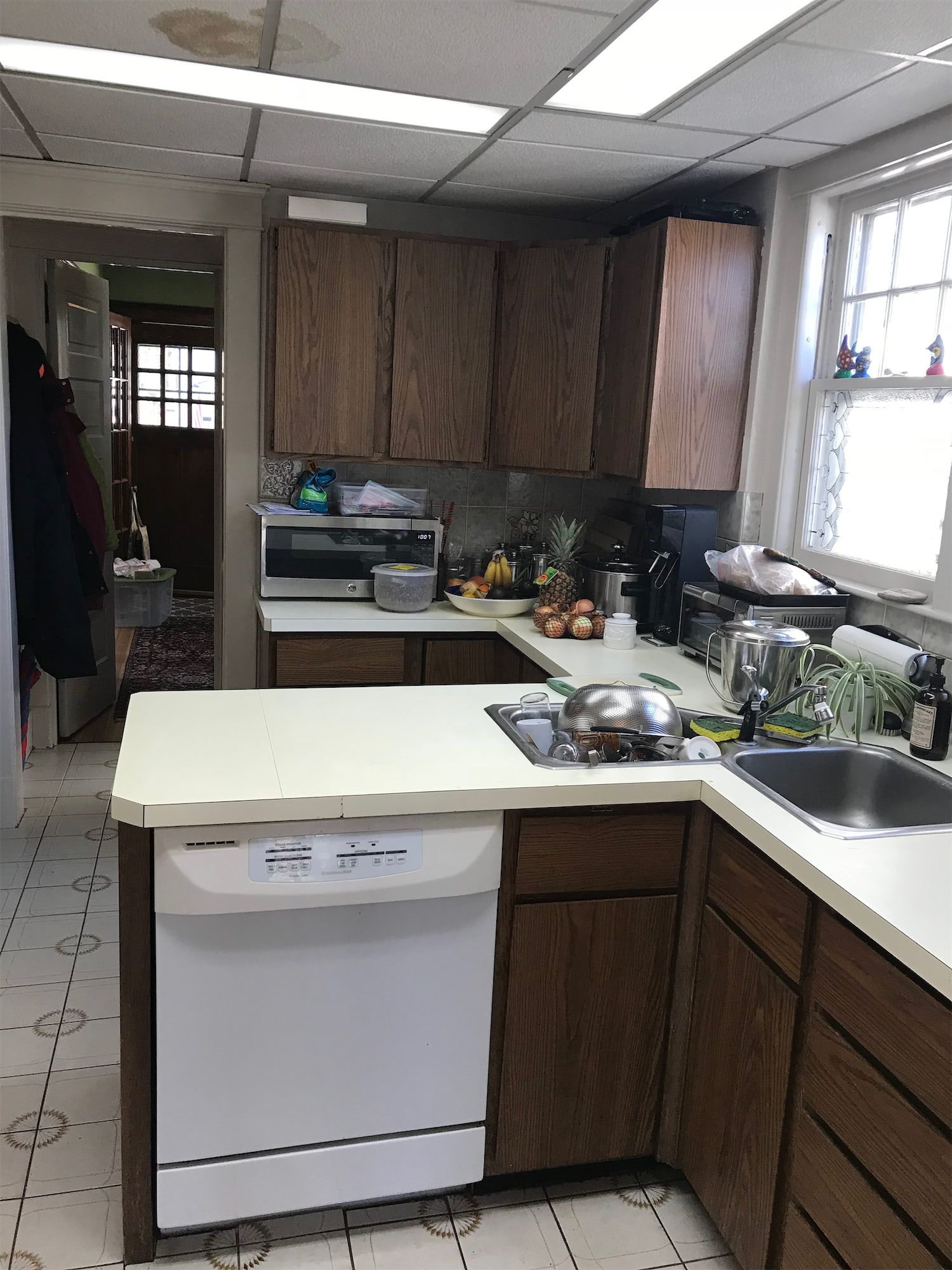
Early 20th-century layouts often included small kitchens, minimal storage, and closed-off rooms, features that feel impractical today. However, their sturdy structures and handcrafted details offer a strong foundation for updates that respect the past while embracing modern life.
In our
energy-efficient Craftsman remodel and expansion, for example, we created built-ins flanking the fireplace and a window seat that looks original but functions beautifully for contemporary living. A built-in bed in the primary suite and a tapered column separating the dining and living spaces echoed traditional detailing while improving flow and usability.
“A big part of our job is asking the right questions about how people actually live. We’re not just copying an old style. We’re modernizing it for their particular needs. You can keep the soul of the house and still make it work beautifully for life today.”
–
Dawn Zuber, founder and principal architect of Studio Z Architecture
For us, the right balance means preserving character-defining details, porches, low-pitched roofs, exposed rafters, while making updates that enhance comfort and function. The result is a home that feels authentic to its history yet perfectly suited for modern families.
What to consider before renovating your Craftsman home
Before beginning a renovation, it’s essential to understand what makes your Craftsman home unique and what it needs to shine.
- Identify what’s original. Determine which elements—wood trim, built-ins, or light fixtures—can be restored rather than replaced.
- Commit to authentic materials. Real wood, handcrafted tile, and historically accurate finishes elevate a renovation, even if they stretch the budget.
- Plan for hidden upgrades. Many Craftsman homes need insulation, HVAC, or electrical improvements to meet current standards.
- Choose the right design team. Working with architects and contractors experienced in historic design ensures details are preserved with care.
With those things in mind, let's look at three key points you won't want to overlook as you make decisions about your home project:
1. Balancing aesthetics with your lifestyle needs
Renovating a Craftsman bungalow is all about lifestyle. It’s about how you live: how you cook, entertain, relax, and make use of your space. At Studio Z, we begin each project by asking thoughtful questions:
- How do you use your kitchen and dining areas?
- Do you prefer open spaces or more defined rooms?
- Are there heirlooms or collections that deserve display or storage?
- Which areas of your home are used most, and how could they serve you better?
This approach will help make your renovation feel personal and livable, blending timeless beauty with everyday practicality.
“We talk a lot about function and what people’s needs are, so we’re not just copying an old style. We’re modernizing it for their particular needs.”
– Dawn Zuber, founder and principal architect of Studio Z Architecture
2. Key materials and finishes
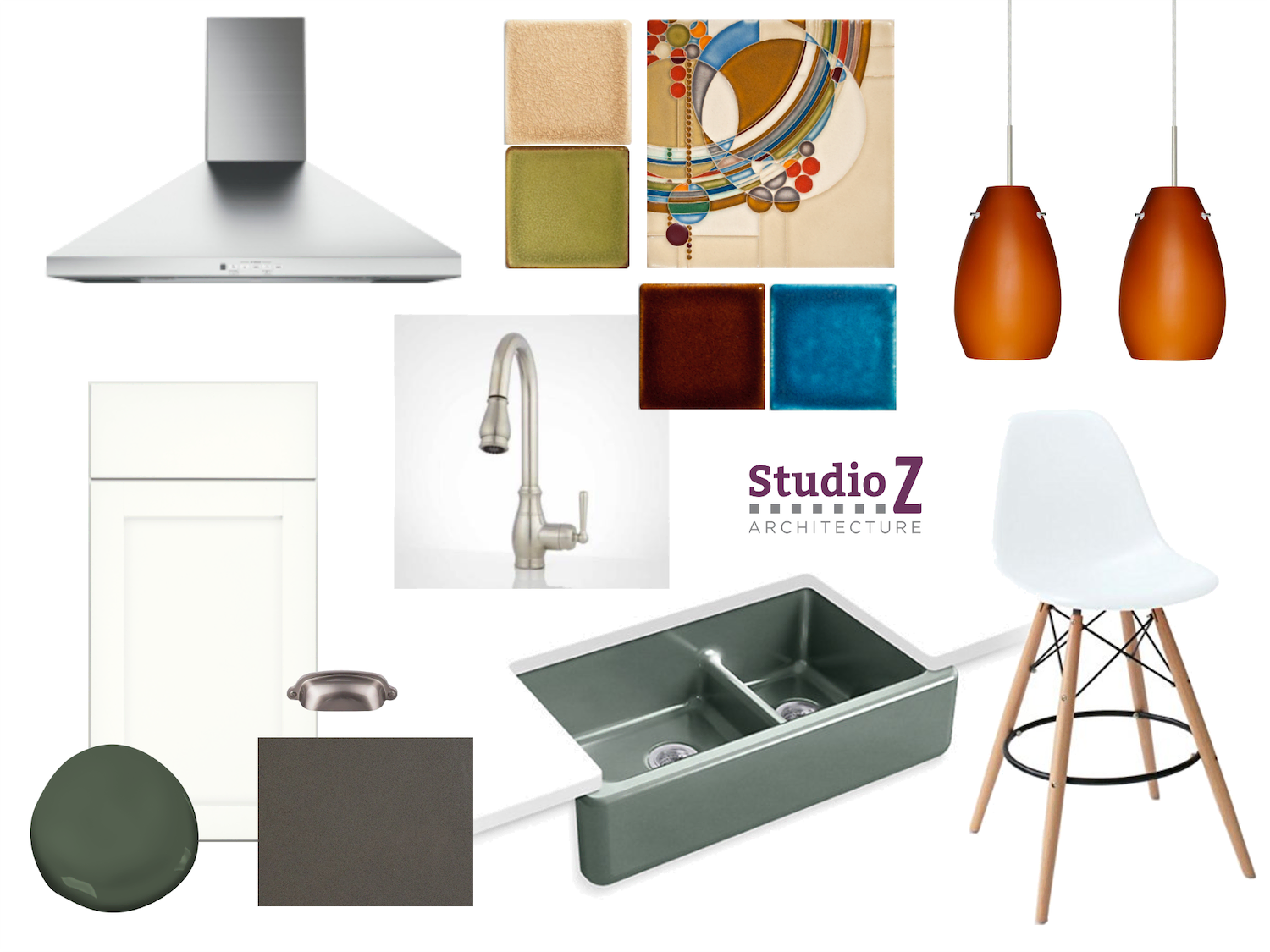
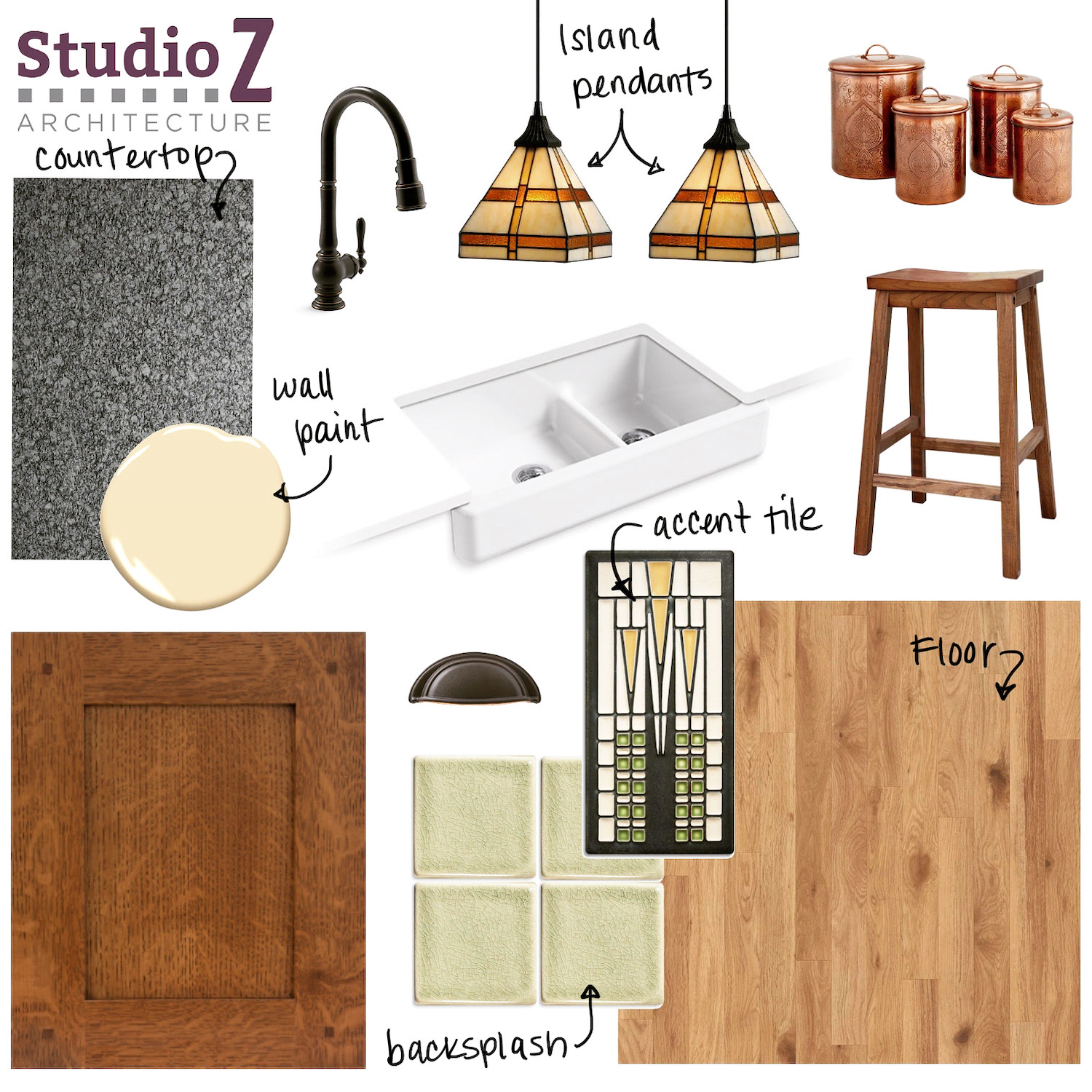
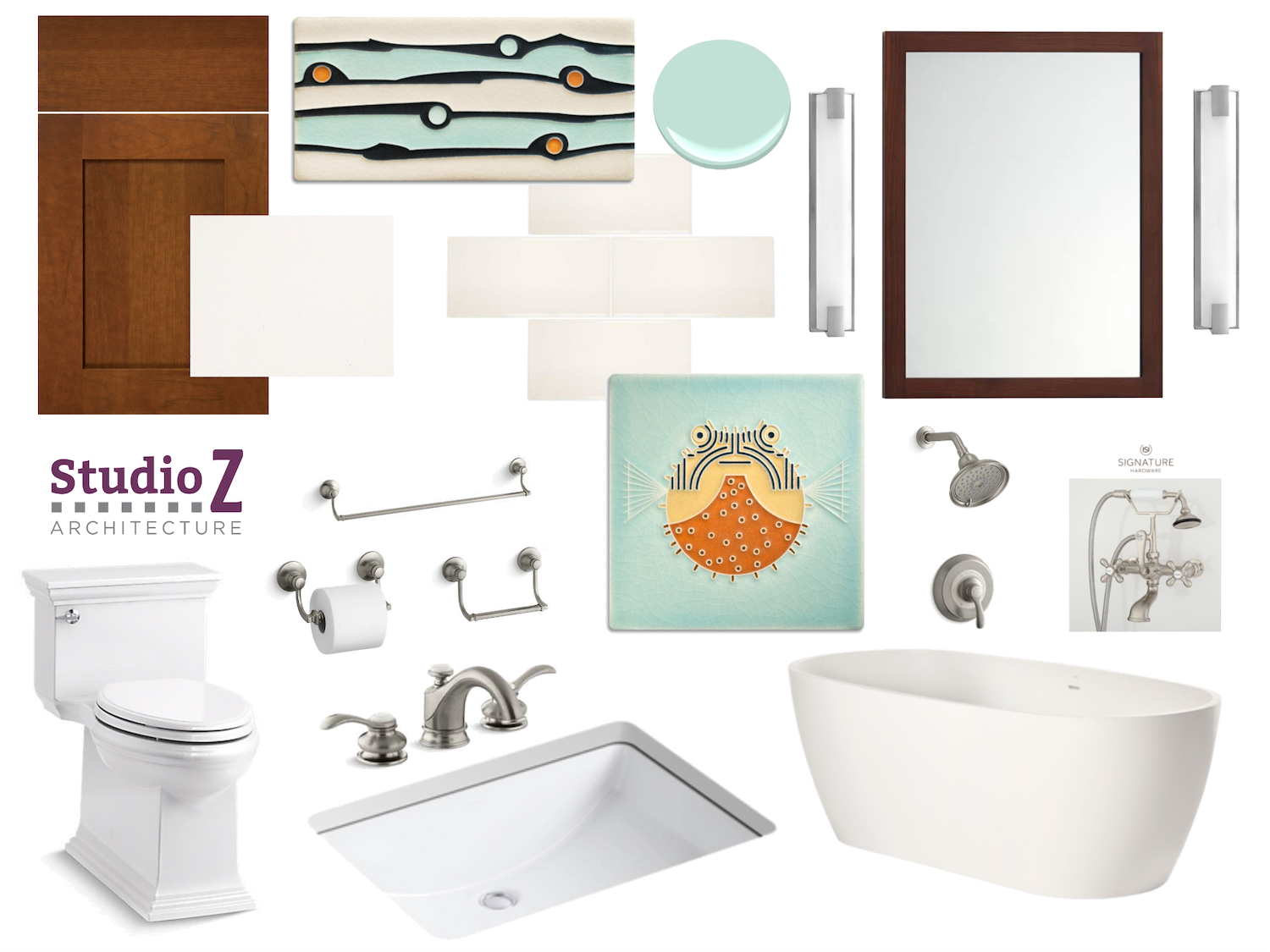
Renovating a Craftsman home means working with materials that honor its roots in the Arts and Crafts movement.
- Wood: Quarter-sawn oak, Douglas fir, maple, and cherry bring warmth and depth.
- Trim and moldings: Restore or replicate original profiles and details, often finished in natural stains or soft neutrals.
- Tile: Handcrafted tile from local makers like
Motawi Tileworks or
Pewabic Pottery adds texture and authenticity.
- Fixtures and hardware: Brushed nickel, oil-rubbed bronze, and antique brass complement the style, while trendy finishes like matte black or rose gold can feel out of place.
Our
Ann Arbor Craftsman Home Renovation demonstrates how finishes can revive character; restoring wood trim and floors, pairing them with new tile and fixtures that respect the home’s history while keeping it current.
3. Sustainability and energy efficiency
Most early Craftsman bungalows weren’t designed for energy efficiency, but there are many ways to improve performance without losing character:
- Add insulation to walls and attics, even behind original plaster.
- Install energy-efficient windows with historically accurate profiles.
- Upgrade HVAC systems discreetly to preserve the home’s original character.
- Use LED lighting and water-saving fixtures.
These updates make older homes more comfortable and sustainable while maintaining their architectural integrity.
Common renovation mistakes to avoid
While following the points above will help your renovation balance historical style with modern functionality, there are some common missteps and mistakes that will compromise a Craftsman home’s charm:
- Removing porches, built-ins, or trim to chase a modern aesthetic.
- Using synthetic or glossy materials that clash with original finishes.
- Altering the roof pitch and losing the home’s distinct profile.
- Painting over exposed rafters or brackets that define the style.
At Studio Z, we guide clients through all the planning and decisions to preserve authenticity while enhancing livability.
In our project
Transforming a Small House into a Big Presence, we maintained the home’s intimate scale while adding thoughtful detailing. It’s proof that proportion and craftsmanship—not size—create presence.
A Craftsman home that fits the way you live
Craftsman homes endure because they’re thoughtful, honest, and human in scale. Built with care and character, they deserve the same care in return.
At Studio Z Architecture, we specialize in helping homeowners update these beloved homes with respect and creativity. Whether it’s a cozy bungalow or a full two-story Craftsman-style house, our goal is to preserve the heart of the home while adapting it for modern life.
Every Craftsman home has a story. We’d love to help you write the next chapter.
Schedule a consultation with Studio Z Architecture to discuss how we can balance your home’s character with your family’s needs.
FAQ: About Craftsman homes
What makes a Craftsman-style house unique?
Craftsman homes are defined by handcrafted details, natural materials, and human-scale proportions. Features such as low-pitched roofs, overhanging eaves, wide trim, built-ins, and front porches set them apart.
What’s the difference between a Craftsman home and a bungalow?
A bungalow is a type of Craftsman home, typically one to one-and-a-half stories tall. Larger two-story Craftsman houses share the same emphasis on craftsmanship and comfort.
Can I modernize a Craftsman home without losing its character?
Yes. The key is balance. Studio Z helps clients update living areas, kitchens, bedroom suites, and baths while preserving defining features like trim, porches, and decorative woodwork.
What are common mistakes to avoid?
Over-modernizing—removing porches, painting interior wood trim, or using trendy finishes—can diminish authenticity. The best renovations highlight original details and natural materials.
Are Craftsman homes energy efficient?
Not originally, but upgrades, including insulation, high-performance windows, efficient HVAC systems, and LED lighting, can improve comfort and reduce energy use without altering style.
Do I need an architect to remodel a Craftsman home?
Working with an architect experienced in historic homes ensures that updates preserve the home’s integrity and aesthetic while improving functionality.
How much does it cost to renovate a Craftsman-style house?
Costs vary depending on scope, materials, and existing conditions. Using authentic materials can raise costs but adds lasting value. Studio Z tailors every renovation to align with both lifestyle and budget.