
Five interior design trends that truly work — and three to rethink
Most requested home interior design trends
(and why you might want them, too)
When it comes to designing or remodeling a home, you want spaces that make daily life easier, more comfortable, and more beautiful. You deserve a home that doesn’t just look good in photos. It should function beautifully for you and your lifestyle.
With endless inspiration from Instagram, Pinterest, Houzz, and design magazines, it’s easy to find yourself chasing fads or falling in love with ideas that look stunning online. The challenge is translating those ideas into a home that supports your daily routines. At Studio Z Architecture, we help homeowners find the balance between inspiration and practicality.
Some trends are worth embracing because they genuinely improve functionality. Others deserve a closer look before deciding if they’re right for you. Here are five design trends that continue to work well year after year, along with three trends that may be worth rethinking.
Five home design trends that truly work
Some home features rise above the buzz because they solve real problems and stand the test of time.
1. Laundry room where you need it
For decades, laundry was tucked into the basement or hidden in the kitchen. Today, more homeowners are moving washers and dryers closer to where laundry actually happens—the bedrooms.
Some homeowners still prefer having laundry on the main level so they can keep a load moving while prepping dinner or managing daily tasks. We encourage those clients to think about adding at least a small laundry space on the bedroom level as well, which helps avoid carrying full baskets up and down stairs and keeps everyday routines more manageable.
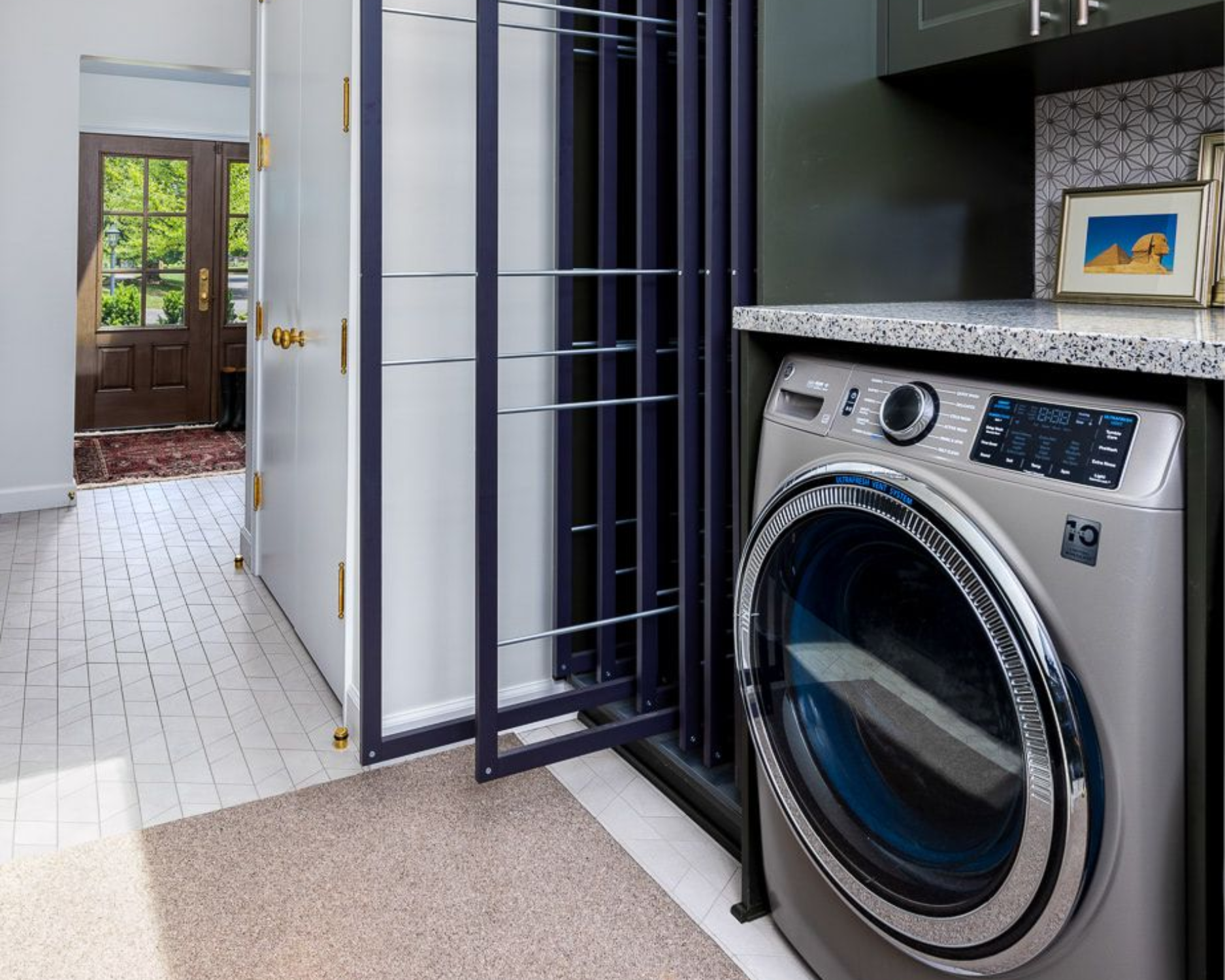
“People are realizing that most of the laundry they create is in the bedroom, not the basement. That shift is driving the demand to bring washers and dryers closer to where clothes actually live.”
– Dawn Zuber, founder and principal architect of Studio Z Architecture
2. Pantries with purpose
The standard three-foot-wide pantry cabinet may no longer meet the needs of modern households. With families cooking more at home and buying in bulk, walk-in or even dual pantries have become a top request.
Many homeowners now opt for butler’s pantries or secondary prep spaces equipped with extra appliances like a second refrigerator or microwave. A secondary prep space is also a great place to keep small appliances you rarely use, like your crock pot or stand mixer. These spaces feel like luxuries but offer tremendous functionality and organization.
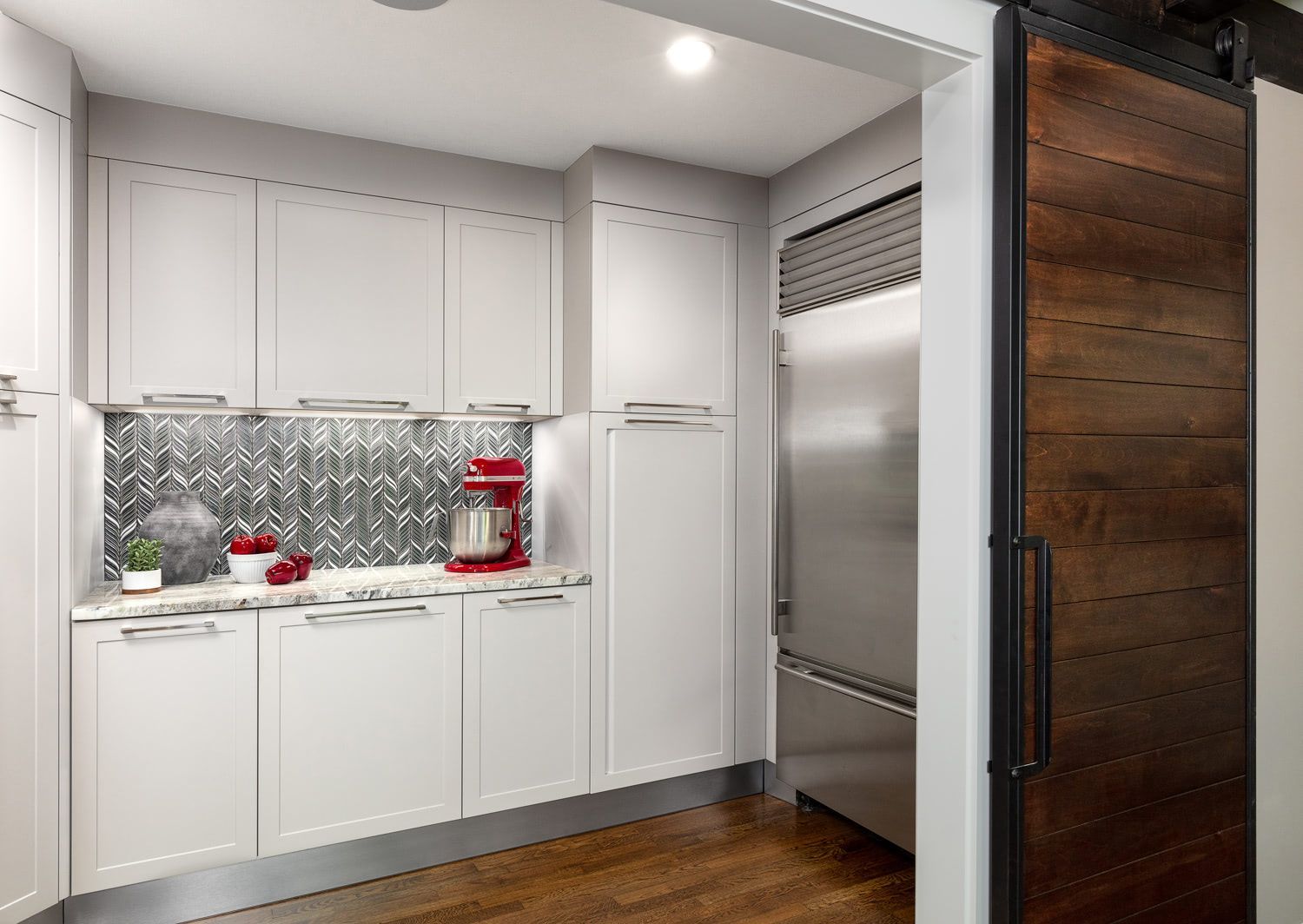
“We saw the pandemic accelerate the shift toward bigger, more functional pantries. Families were cooking at home more, buying in bulk, and suddenly that three-foot-wide pantry cabinet just didn’t cut it anymore.”
– Dawn Zuber, founder and principal architect of Studio Z Architecture
3. Designing to age in place
As housing costs rise, more homeowners are planning to stay in their homes for the long haul. That’s leading to a growing demand for design features, such as main-floor bedrooms, wider doorways, and curbless showers, that make aging in place both comfortable and dignified. Instead of waiting to add these features later, homeowners are integrating them into remodels or new homes to make daily living easier now—and in the future.
These details don’t just add safety; they add flexibility. A main-floor bedroom can serve as a guest room or office until it’s needed for accessibility. A zero-step entry helps whether you’re carrying groceries, pushing a stroller, or walking with a cane.
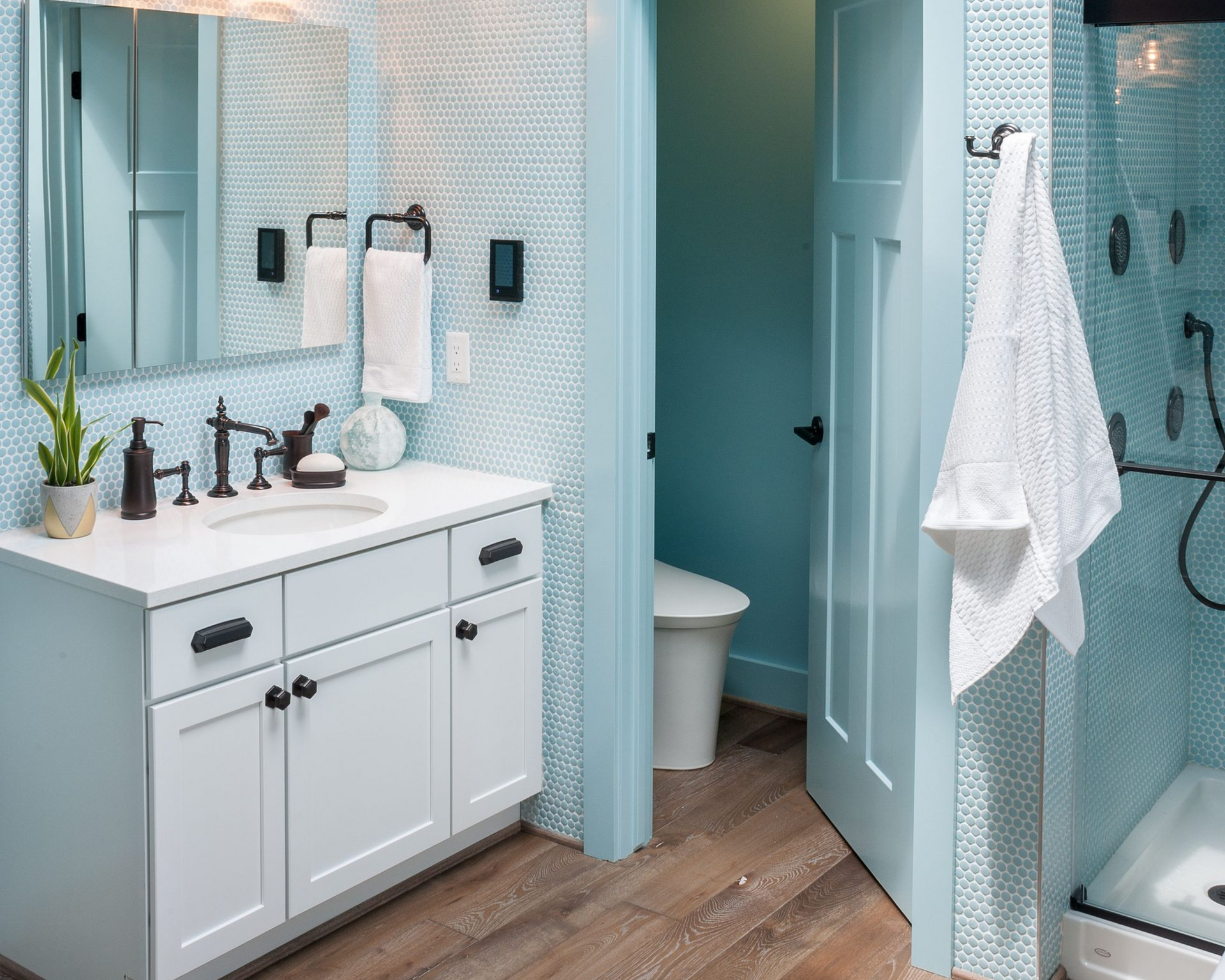
“What makes aging-in-place design powerful is that it benefits you today as much as it does in the future.”
– Dawn Zuber, founder and principal architect of Studio Z Architecture
For more ideas, download our free
Guide to Aging in Place
for practical tips on creating a home that supports you now and in the future.
4. Minimalist living with personality
Decluttering isn’t just a trend. It’s become a way to create calm, organized spaces that are easy to maintain. Clean lines, natural finishes, and smart storage reduce visual clutter and bring a sense of ease. But minimal doesn’t have to mean sterile.
The key is balance. A neutral backdrop lets your personality shine through in well-chosen pieces, perhaps a sculptural light fixture, bold sofa, or a treasured heirloom. Younger homeowners especially are prioritizing experiences and meaningful items over “more stuff.” The result is a home that feels lighter, simpler to maintain, and distinctly personal.
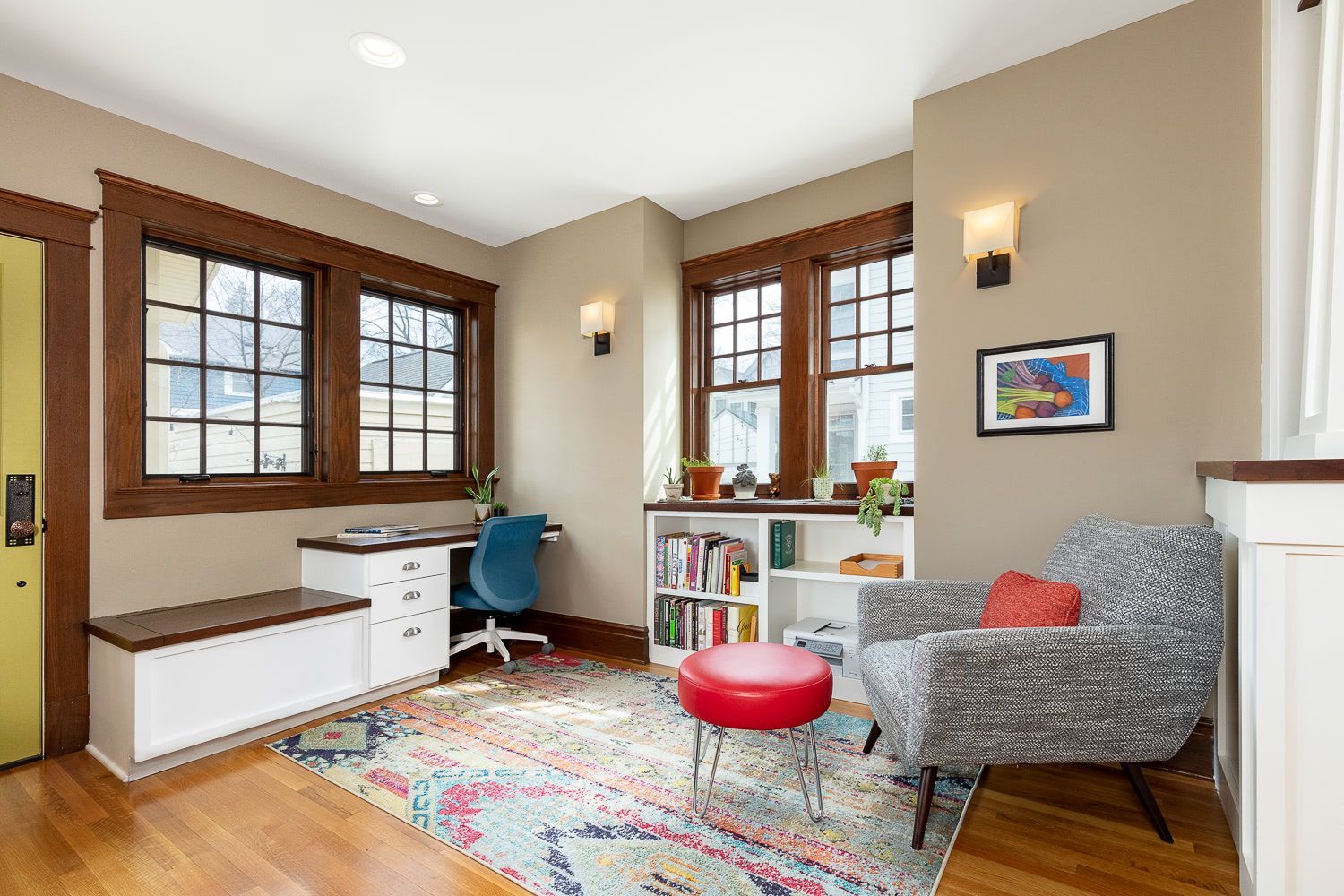
5. A return to color
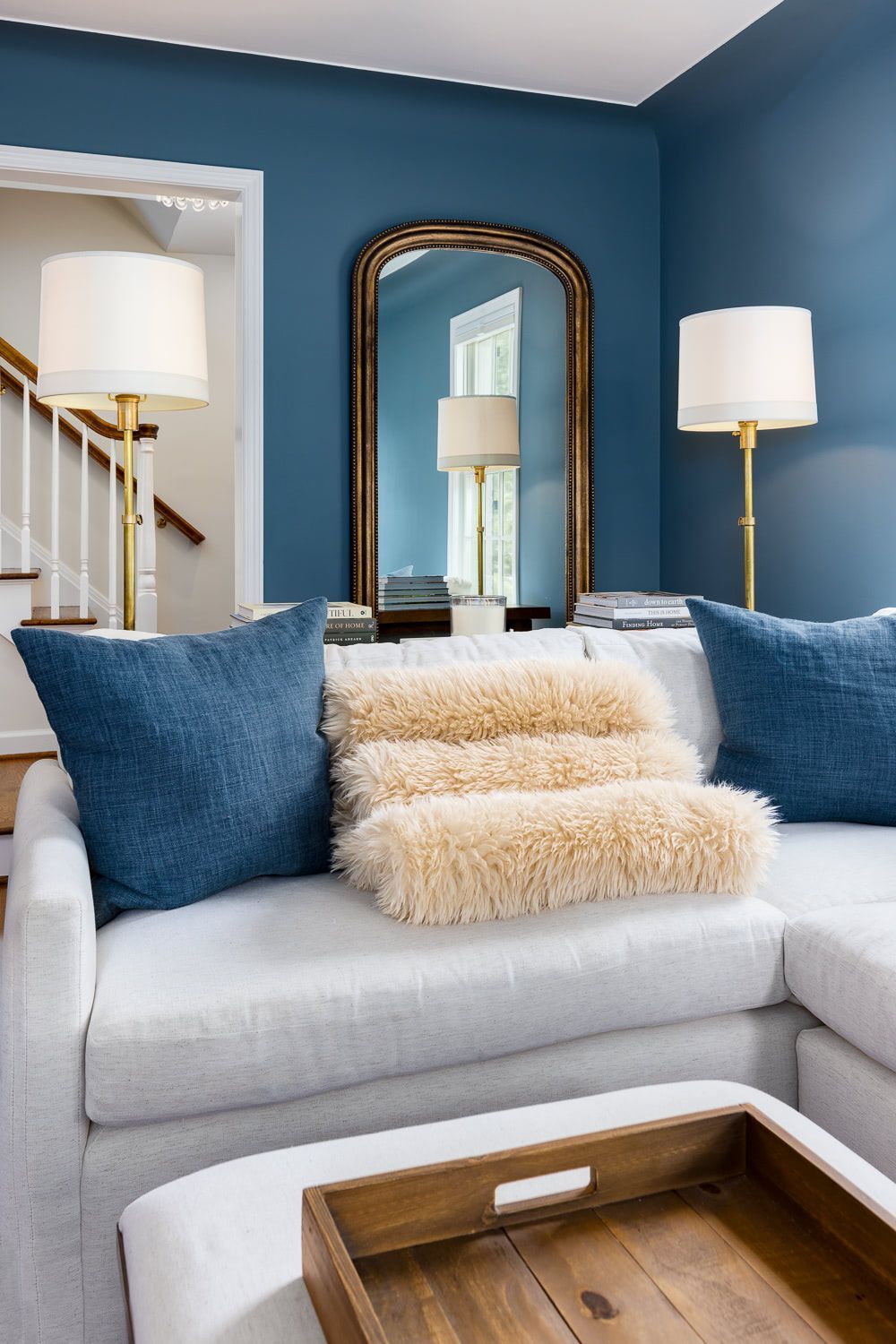
After years of gray-on-gray interiors, many homeowners are ready for warmth and personality. Richer tones, creative textures, and patterns are making their way back into everyday design. Old favorites like paneling, wallpaper, and velvet upholstery are being reimagined in modern ways. Even ceilings are joining the fun—with painted contrasts, wood accents, or wallpapered detail.
Not ready for bold walls or ceilings? Try introducing color through rugs, pillows, and artwork. These are easy, low-commitment ways to experiment while keeping your home adaptable over time.
Three tricky design trends to rethink
Not all popular ideas work well in practice. Here are a few features that often look great in photos but come with practical drawbacks:
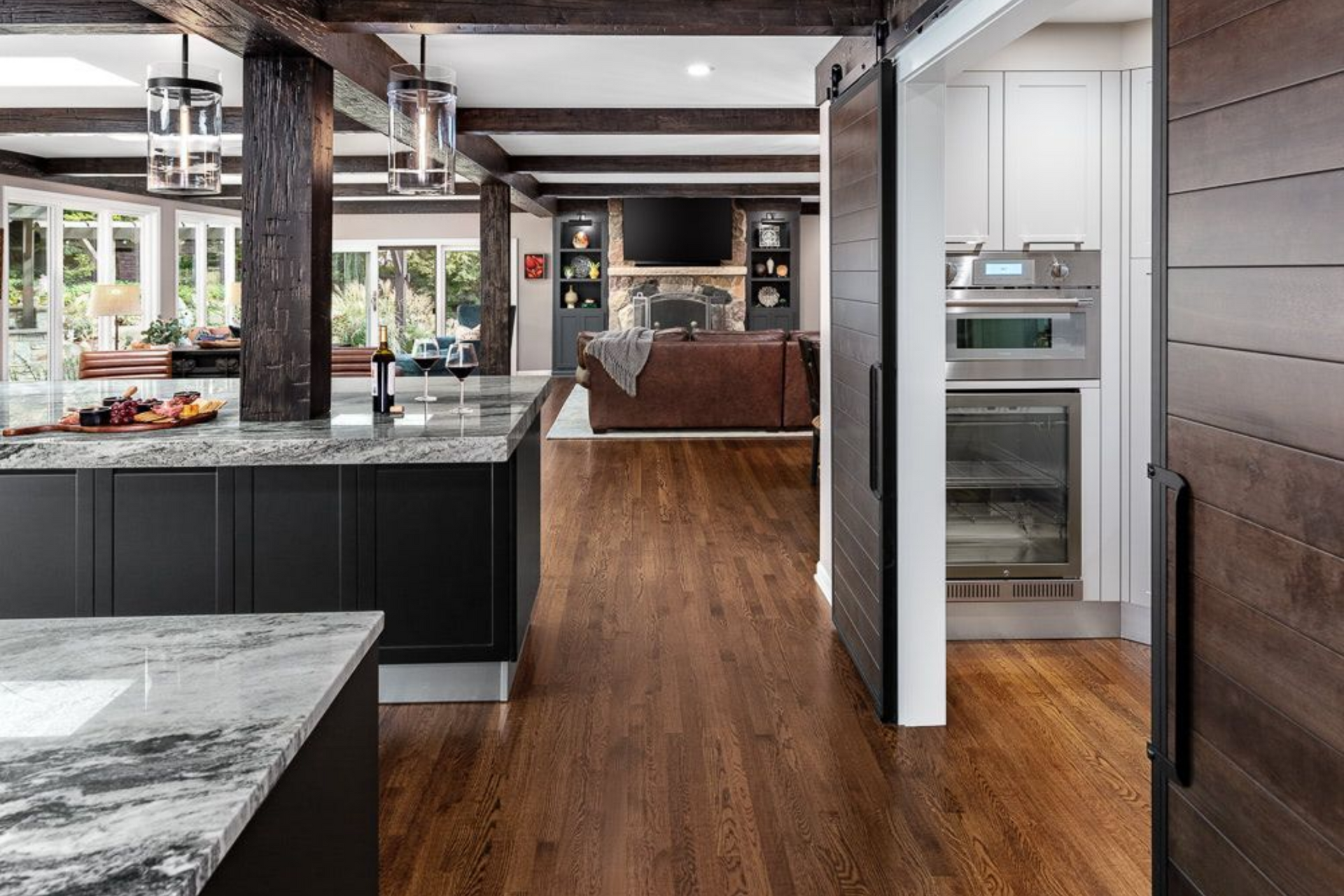
- Barn doors on bathrooms: Stylish, but they don’t provide enough privacy from sound, light, or smells. They’re better suited to spaces like pantries or dining rooms.
- Chandeliers above tubs: Beautiful, but often prohibited by building code due to safety risks. Consider a statement light elsewhere in the bathroom.
- Freestanding tubs: Spa-like and dramatic, but harder to clean around and more expensive to install due to specialized plumbing.
How to evaluate interior design trends
When deciding whether to include a "trendy" design element in your home, it helps to ask yourself:
- Does it fit your
lifestyle?
- Will it be relatively easy to refresh and update it as your needs and style change in the future?
- Does it balance beauty and function?
“Not every trend ages well. Think about floral wallpaper or sponge paint from the ’90s—those looked great at the time, but without some updates over the years, these can make a home feel outdated. Clean lines and natural finishes tend to stand the test of time.”
– Dayna Tooman, architectural designer at Studio Z Architecture
At Studio Z, our goal is to help you weigh these choices with confidence. We guide you toward design decisions that enhance your comfort, fit your routines, and maintain their appeal for years to come.
Planning a remodel? Read our
Blending Old and New Architecture Guide for more tips on designing a home that feels seamless and timeless.
Designing a home that fits you
Some design trends become popular because they make daily life easier and more enjoyable; others are best admired in a magazine spread. Every home is as unique as its homeowner, and thoughtful design begins with understanding how you want to live.
That might mean moving the laundry closer to the bedrooms, designing a dream pantry, or adding details that let you stay comfortably in your home for decades to come. At Studio Z Architecture, we guide clients through every step of that process, balancing creativity, practicality, and personal value. The result is a home that not only looks beautiful but feels truly your own.
Your home should fit you—not the other way around.
Book a consultation with Studio Z Architecture
to start designing a space that supports the way you want to live, now and in the future.
FAQ: Most requested home design trends
1. What are the most popular home design trends for 2026?
Some of the most requested features include laundry rooms near bedrooms, larger walk-in or butler’s pantries, aging-in-place design elements, minimalist spaces with personality, and a renewed interest in color schemes that go beyond all-gray interiors.
2. Are freestanding tubs a good idea?
Freestanding tubs are beautiful and create a spa-like atmosphere, but they also come with drawbacks. They can be expensive to install due to specialized plumbing, and they are harder to clean around. We encourage homeowners to weigh the pros and cons before committing.
3. Why are larger pantries so popular now?
With more families cooking at home, buying in bulk, and experimenting with recipes, a standard three-foot pantry cabinet is no longer enough. Many homeowners now prefer walk-in pantries or even a butler’s pantry with space for appliances, extra storage, and prep.
4. How do I know if a design trend will last?
Good design that you love today is likely to grow with you and adjust for your lifestyle. Some design elements are classics for decades. As Studio Z's designer, Dayna Tooman notes, “Clean lines and natural finishes tend to stand the test of time.”
5. What is aging-in-place design?
Aging-in-place design includes features that allow homeowners to live comfortably and safely in their homes as they get older. Examples include main-floor bedrooms, curbless showers, wider doorways, lever-style handles, blocking (the in-wall framing essential to securely mount grab bars), and well-placed lighting. These features also make life easier today.
6. Are barn doors a good idea for bathrooms?
Barn doors look stylish but are not ideal for bathrooms because they do not provide enough privacy from sound, light, or smells. They are better suited for pantries, dining rooms, or other spaces where privacy is not a concern.
7. How can I add personality to a minimalist design?
Minimalist interiors rely on clean lines, natural textures, and uncluttered layouts. Personality comes through in carefully chosen details such as sculptural lighting, rugs with texture, bold furniture, or meaningful decor pieces.