
The Hidden Costs of Buying Your Own Fixtures for Your Remodel
Why you shouldn’t furnish your own fixtures for your residential project
Blog Highlights
- Buying your own fixtures feels like a money-saver, but contractors often have trade discounts that beat retail pricing, sometimes even with their markup included.
- When you purchase fixtures yourself, you take on full responsibility for damaged deliveries, missing parts, and compatibility problems.
- Mismatched finishes and inconsistent lighting color temperatures can make a beautifully designed space feel disjointed and uncomfortable.
- Behind-the-wall components like valves, backing, and supply lines must be ordered alongside visible fixtures—missing one piece can halt your entire project.
- Not all online fixtures meet U.S. safety standards; non-UL-listed products can fail inspections and require costly replacement.
- You can stay involved in every aesthetic decision without managing the logistics, the best approach is to select, and let your team procure.
You’ve been scrolling through online retailers and spotted a stunning faucet at what seems like an incredible price.
Buying your own fixtures feels like an easy way to save money and stay in control of your remodel. After all, how hard can it be to order a faucet and have it delivered to your contractor?
As it turns out, harder than you’d think. At Studio Z Architecture, we’ve seen homeowners learn this lesson the hard way: through delays, compatibility nightmares, and costs that far outweigh any initial savings. Here’s what you need to know before you click “add to cart.”
The discount myth
The assumption that you’ll save money shopping online or at big box stores doesn’t always hold up. Contractors have access to trade discounts unavailable to the general public, and even when they mark up materials to cover procurement and handling, the final price can still beat retail.
More importantly, you’re paying for expertise: knowing which products are compatible, coordinating delivery timing, and taking accountability if something goes wrong. It's also true that many of the products available in big box stores or online are lower quality versions of the products a contractor might have access to.
Compatibility is more complicated than it looks
Not all fixtures are interchangeable. A Delta faucet requires a Delta valve behind the wall. Hansgrohe and other European fixtures have their own specific requirements. Discovering this mid-installation can bring your project to a standstill.
Here’s a real example from a Studio Z project:
A client ordered a floating vanity online without consulting the team first. A standard vanity was assumed and the mechanical contractor had installed a toe-kick vent in the floor which won't work with a floating vanity. Additionally, the vanity size ordered was smaller than what was shown on the drawings, so the junction boxes for the vanity lighting were placed in the wrong locations. All this was discovered after the tile had been installed making for a costly fix.
Fortunately, the contractor was understanding. But those mistakes should have resulted in expensive change orders. All of it was avoidable with proper coordination upfront.
When you buy, you own the problem
When you purchase your own fixtures, you take on everything that comes with them. Damaged delivery? You handle the return. Missing parts? You track them down (during business hours, while you’re probably at work). Finish doesn’t coordinate with the rest of the space? That’s on you to resolve.
“When you purchase your own fixtures and finishes, you assume full responsibility for them. If something arrives damaged, if parts are missing, or if it doesn’t fit or coordinate with other elements, resolving those issues becomes your responsibility.”
– Dawn Zuber, architect and founder of Studio Z Architecture
When contractors furnish fixtures, they verify that all components are present before installation begins, coordinate delivery timing, and handle issues through established supplier relationships. Also, most warranties begin once the product is delivered, so if you order your new kitchen appliances and have them delivered before a 9-month project begins you might not even be able to return them if they don't work depending on the return policy or warranty. That accountability is invaluable during an already stressful construction process.
The consistency challenge: finishes and light
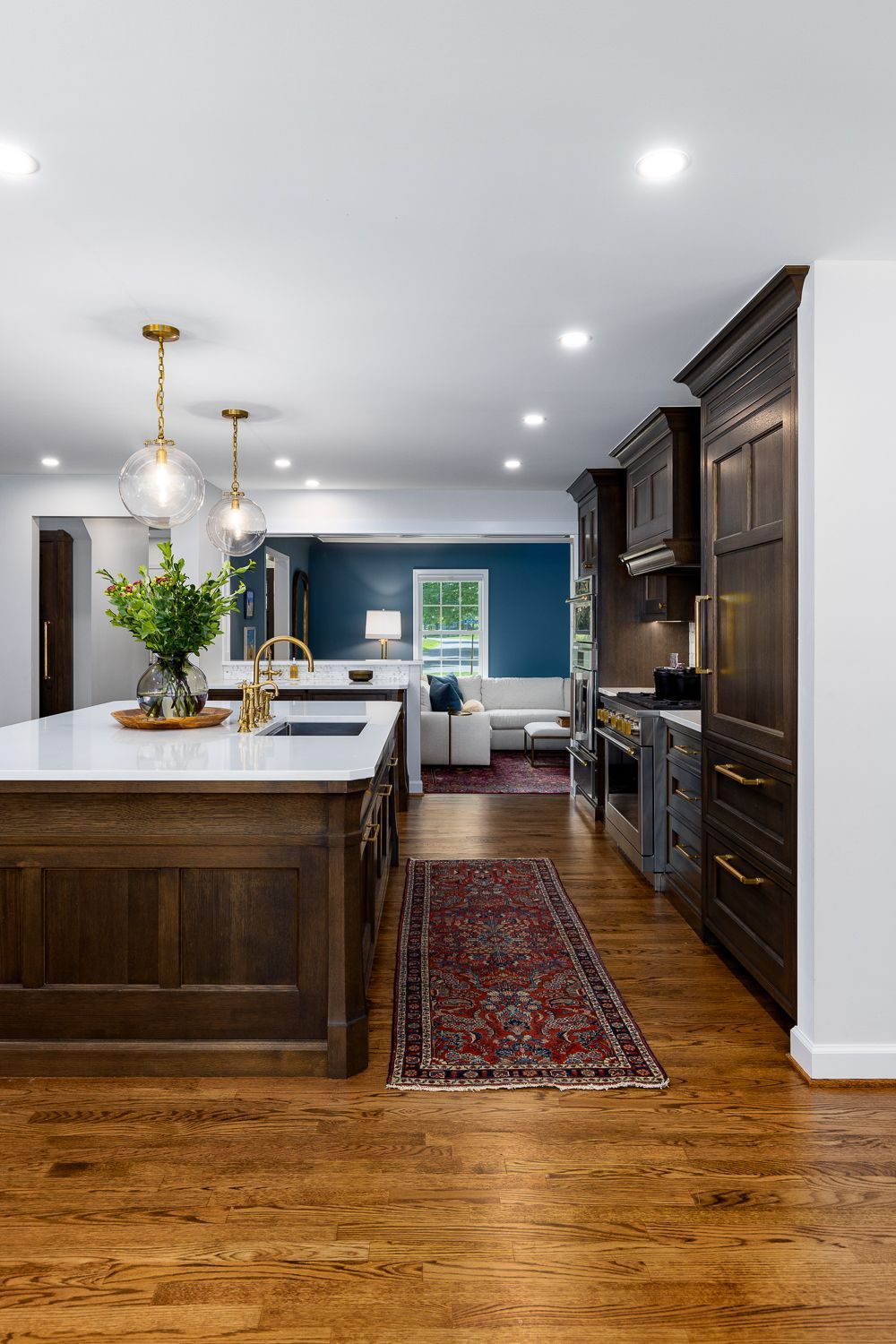
Finishes vary more than you’d expect. “Brushed nickel” from one manufacturer won’t necessarily match “brushed nickel” from another. Oil rubbed bronze, matte black, stainless: these finishes differ in tone and warmth across brands. For a cohesive space, your faucet, showerhead, towel bars, toilet paper holder, and cabinet hardware should all come from the same manufacturer. Sourcing from multiple retailers makes that nearly impossible.
Lighting temperature is just as tricky. Many homeowners don’t think about Kelvin ratings, the measurement that determines whether a bulb produces warm or cool light. A traditional incandescent bulb runs around 2,700K, creating that familiar, warm glow. Fixtures found online often include bulbs at 4,000K or 5,000K, which create a harsh, institutional feeling that can genuinely affect how comfortable a space feels.
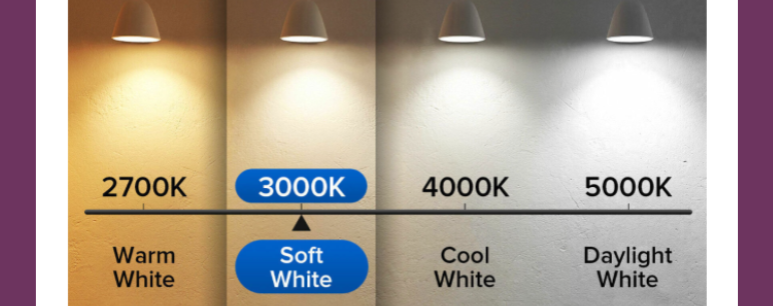
Higher Kelvin doesn’t mean brighter; it means bluer. Mixing color temperatures across rooms compounds the problem, making spaces feel mismatched and unsettling in ways that are hard to pinpoint but easy to feel.
“I have a real sensitivity to light and the quality of light. Some people actually think that the higher Kelvin temperatures are brighter bulbs.”
– Dawn Zuber, architect and founder of Studio Z Architecture
Safety and code compliance
Not every fixture sold online meets U.S. electrical safety standards. A UL (Underwriters Laboratories) listing certifies that a product has been tested and approved, something international online sellers may not provide. Installing non-UL-listed fixtures can create safety hazards and may fail inspection, forcing removal and replacement at additional cost. Your contractor knows to verify these certifications. Most homeowners don’t know to check.
What you’re really paying for when professionals handle the purchasing
When you
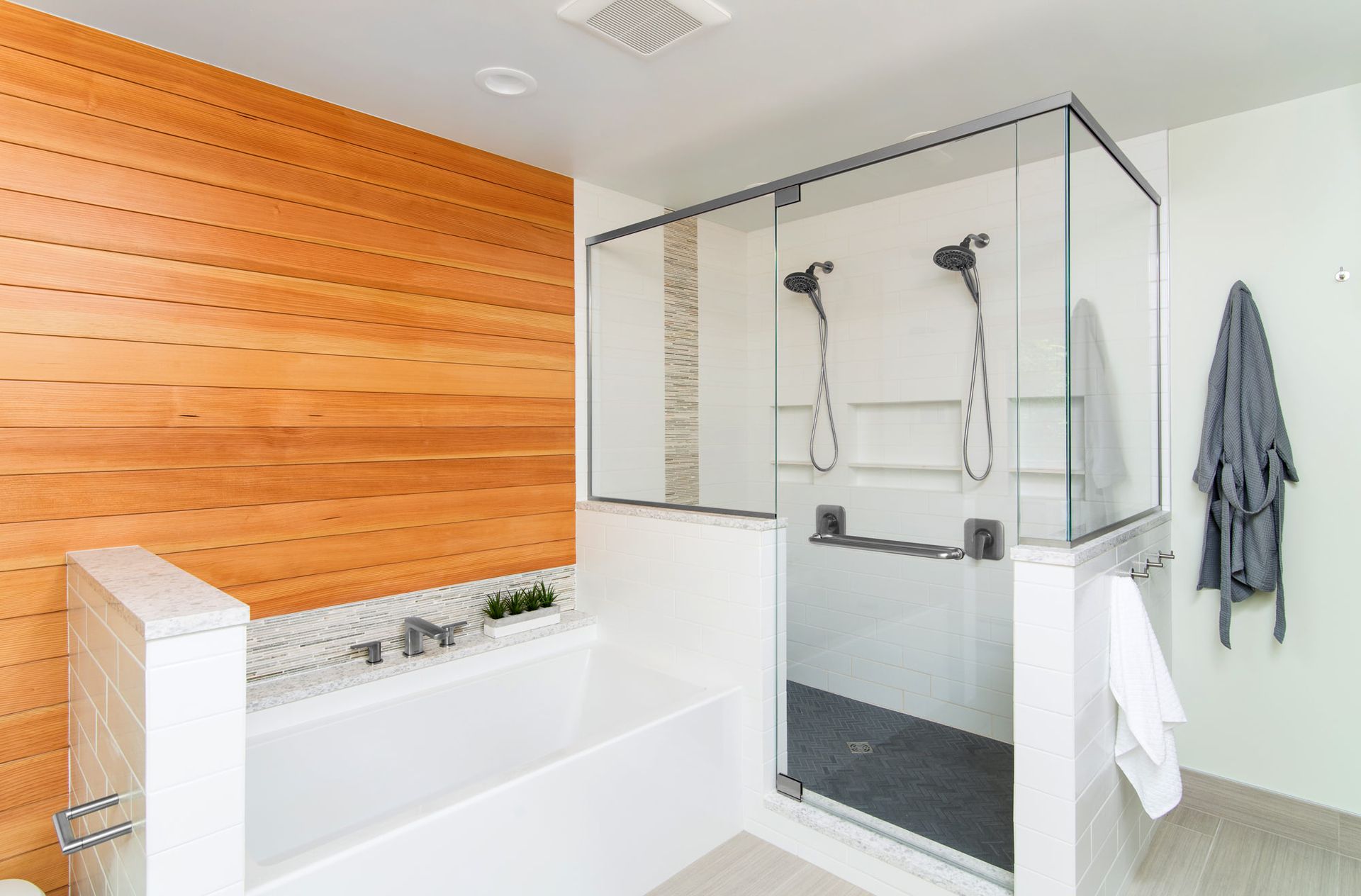
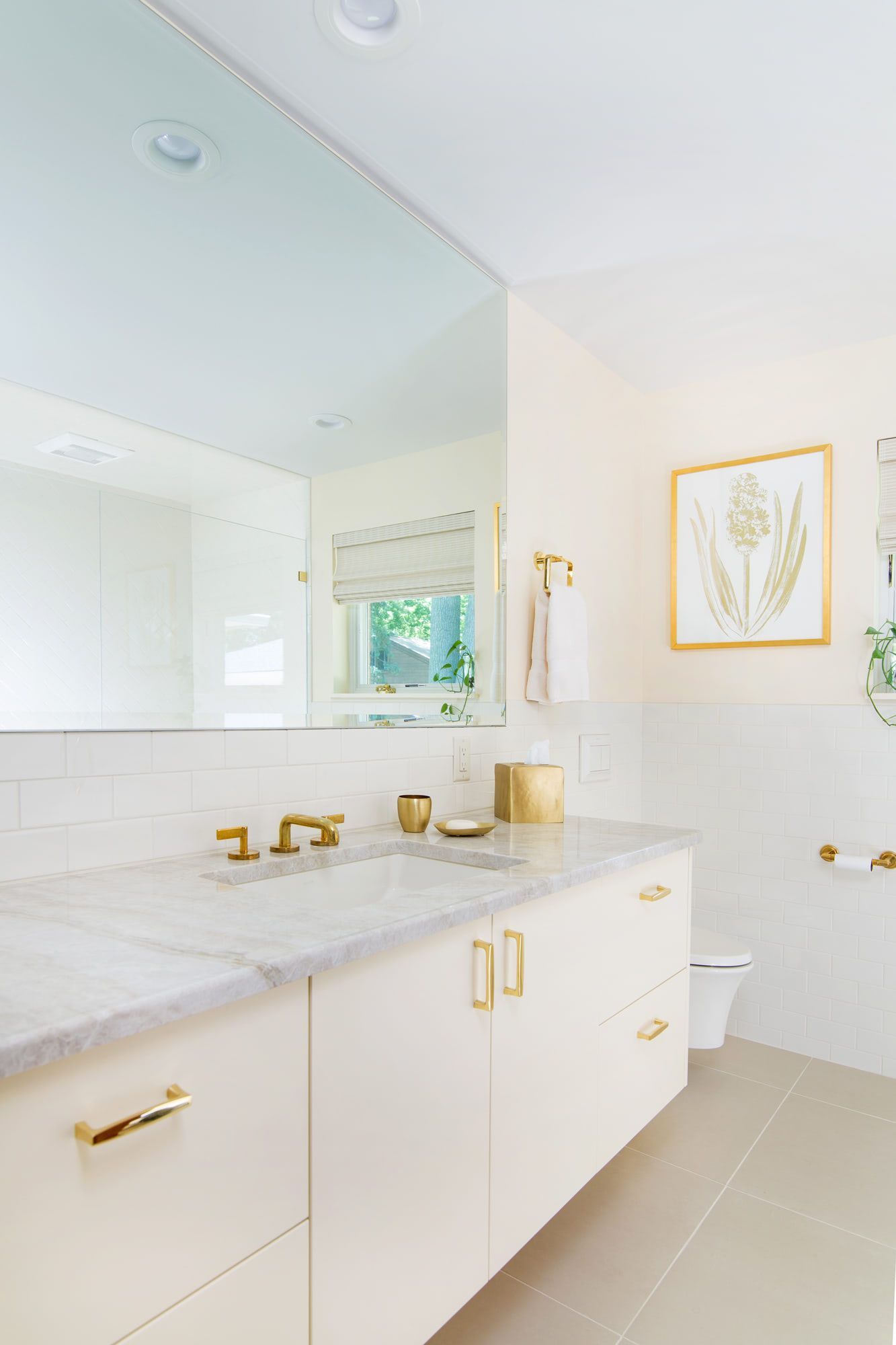
work with an architect and contractor, you’re accessing years of technical knowledge about how all the components of a project fit together. A shower installation, for example, isn’t just the trim you see in the showroom. It requires the correct rough-in valve, proper backing, supply lines, and drainage components, all compatible with each other.
“When homeowners purchase their own shower fixtures, they typically focus on the visible components: the trim, control valve, showerhead, and perhaps a hand sprayer. However, there are numerous behind-the-wall components required for proper installation.”
– Dawn Zuber, architect and founder of Studio Z Architecture
Professionals think through the complete installation and order everything together, preventing the scenario where work stops because one critical piece is missing.
How to stay involved without the headaches
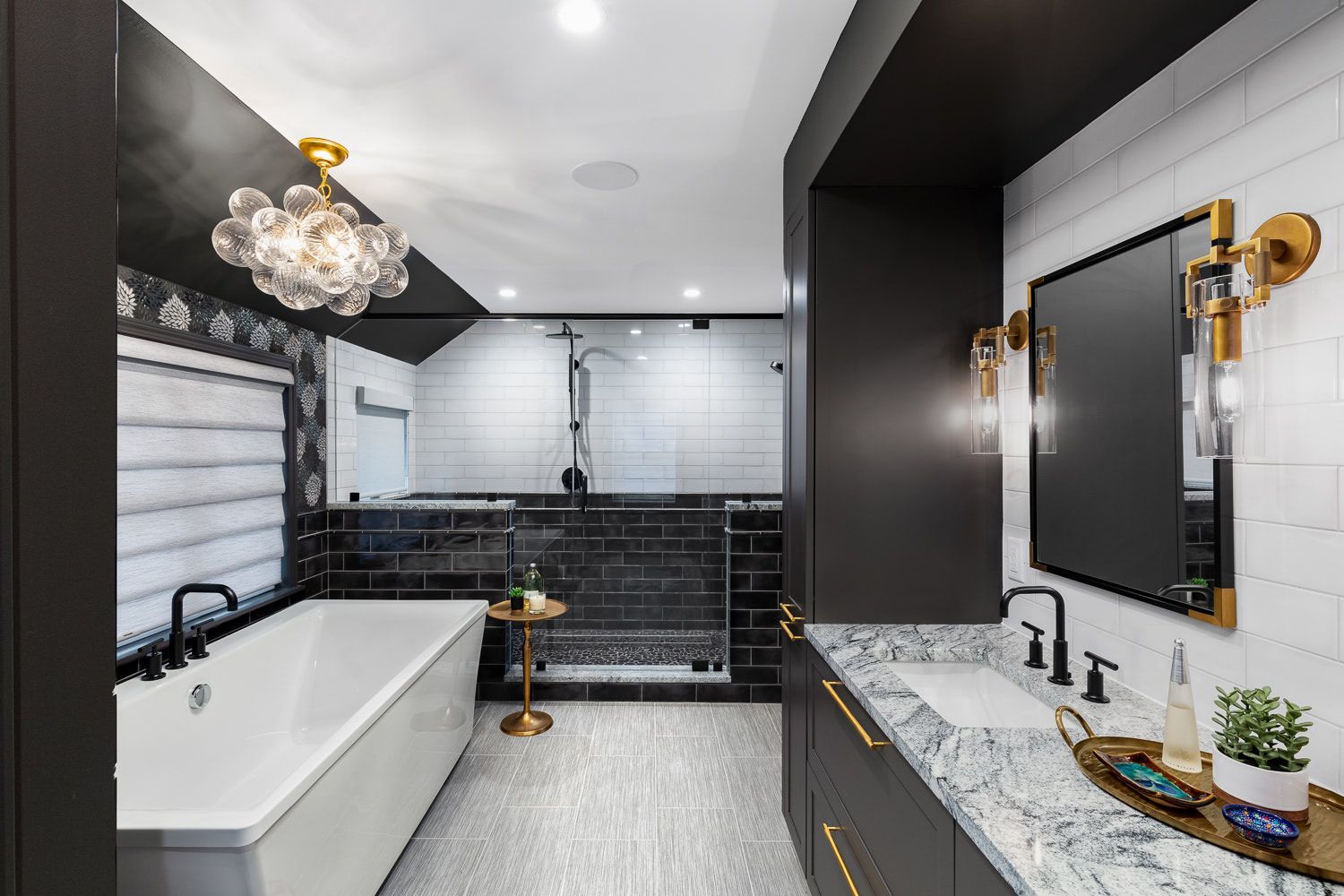
Here’s the good news: You don’t have to buy your own fixtures to have a say in your project. The best approach keeps you fully involved in selections while leaving procurement to the professionals.
Share inspiration photos with your design team.
Visit showrooms to see and touch fixtures in person: feel the weight of a faucet handle, evaluate a finish in real light, sit on that toilet seat before it’s installed. One Studio Z client skipped the showroom visit for windows and later discovered they disliked the lower sash design, a disappointment that could have been avoided with an in-person evaluation.
Your architect specifies. Your contractor procures. You choose what you love. That division of roles gives you control over aesthetics while protecting you from the logistics and technical pitfalls of procurement.
“It’s best to hire people who are really good at the one thing they specialize in, and there are a lot of headaches that can be avoided.”
– Dawn Zuber, architect and founder of Studio Z Architecture
Ready to start your project the right way?
Schedule a consultation with Studio Z Architecture to discover how our client-centered approach can help you create the home you’ve always wanted, with confidence and clarity at every step.
Frequently asked questions about late remodeling changes
Will I actually save money by buying my own fixtures?
Usually not. Contractors often access trade pricing that beats retail, even after their markup for procurement and handling. Factor in the time spent managing returns, tracking missing parts, and dealing with compatibility issues, and any perceived savings tend to disappear.
Can I still choose my own fixtures if I’m not buying them?
Absolutely. The ideal process is one where you drive the aesthetic decisions: sharing inspiration photos, visiting showrooms, approving selections, while your architect and contractor handle procurement and installation. You get the design you want without the logistics.
What if I’ve already purchased fixtures before hiring an architect?
Tell your architect and contractor as early as possible. They can evaluate compatibility with your project plans and let you know if anything needs to be returned or accommodated. Early disclosure gives the team time to plan around it.
How do I know if my contractor is charging fairly for fixtures?
A reputable contractor provides transparent pricing. Your architect can help you compare estimates and ensure fair value. Remember: you’re paying not just for the product, but for expertise in selecting compatible items, coordinating delivery, verifying all components, and taking responsibility for any issues.
What’s the risk of buying fixtures from an international online seller?
The main concern is safety certification. Not all international sellers verify that their products meet U.S. electrical safety standards (UL listing). Non-compliant fixtures can fail inspection and require removal and replacement, an expensive and avoidable problem.
Ready to work with a team that handles every detail of your project with expertise and care?
Schedule your consultation with Studio Z Architecture today.